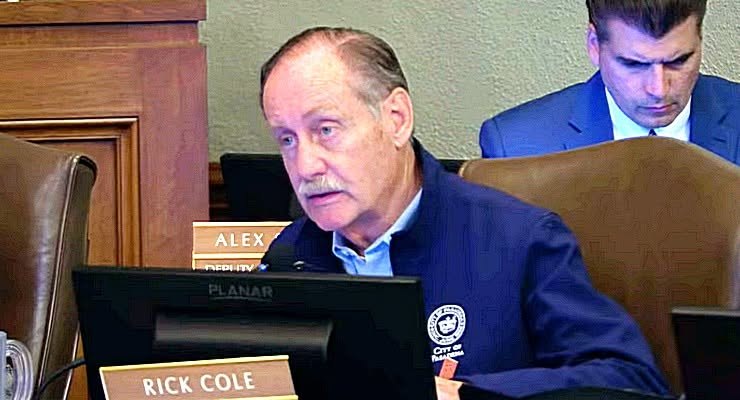
Pasadena's City Council is weighing five new tax measures for the November ballot, but Councilmember Rick Cole wants more time for public input first.
Cole issued a statement Tuesday, July 14, calling on the council to hold broader community discussions before deciding which revenue measures, if any, to send to voters on November 3. The council faces a Friday, August 7 deadline to submit final ballot language to Los Angeles County.
"There has been little public discussion so far — and that bothers me," Cole said. "Important decisions deserve ample opportunity to look at all sides."
Why now
The push for new revenue comes as Pasadena faces a widening structural deficit. City staff reported the budget has been balanced over the past three years only through one-time revenues and reserve funds, with rising costs outpacing growth. Officials said long-term funding is needed for fire station upgrades, street repairs, year-round homeless shelter operations and economic development.
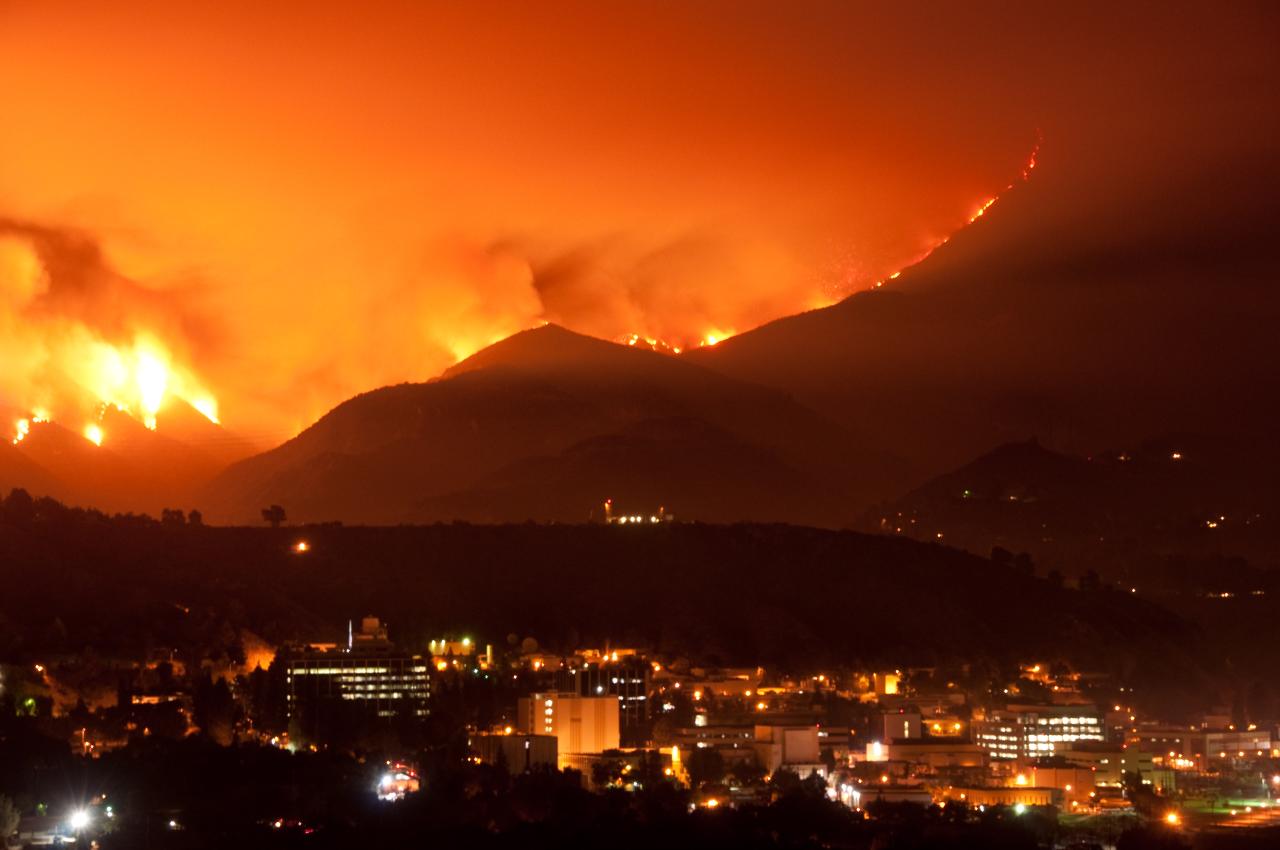
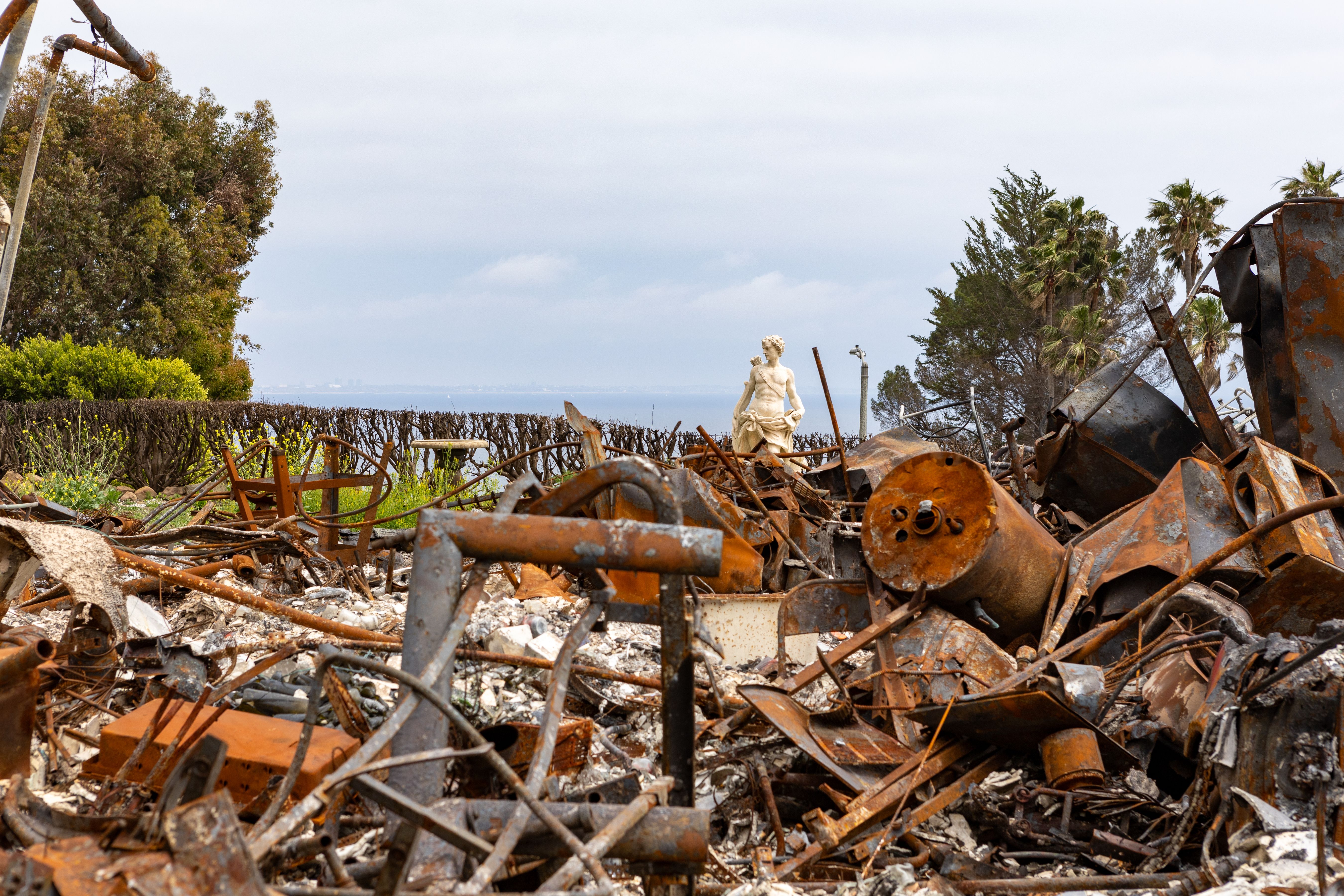
Cole pointed to the Eaton Fire, which killed at least 19 people and destroyed more than 9,400 structures in January 2025, as proof the city cannot afford to delay infrastructure investment indefinitely. He also noted Pasadena has already approved significant increases in water, sewer and electric rates over the past two years after deferring adjustments during the pandemic.
Five measures, millions at stake
City staff outlined five potential revenue options at the July 14 meeting:
- Quarter-cent sales tax: An estimated $11 million annually. The measure would add to Pasadena's existing three-quarter-cent Measure I sales tax, which voters approved in 2018 with nearly 69% support.
- 10% parking occupancy tax: Between $1 million and $5 million annually, applied to paid parking facilities. Staff said city parking meters and certain residential or hotel parking would be exempt.
- Real property transfer tax: Roughly $26 million annually from real estate sales. Staff cautioned revenues could swing widely and the measure could face organized opposition from real estate interests.
- Business tax modernization: An additional $10 million to $15 million annually by replacing the city's 1966-era employee-based formula with a gross receipts model.
- Special parcel tax for public safety: About $20 million annually for fire services alone, or nearly $30 million for fire protection and street maintenance combined. Unlike the others, this measure would require two-thirds voter approval.
Staff recommended the sales tax as the most stable revenue source for general operations and the parcel tax as the most reliable for dedicated services like fire protection.
Cole's position
Cole said he would prefer to focus on reducing expenses and growing revenue without hiking taxes, utility rates and fees. But he acknowledged the city cannot wait indefinitely on fire response investments.
"If we wait until two of our fire stations fail in an earthquake, it's too late," he said. "If we wait to build a ninth fire station until we've experienced another wind-driven firestorm, it's also too late."
What's next
Staff recommended scheduling a special council meeting on Monday, August 3 to approve final ballot language before the county deadline. Cole sits on the Finance Committee alongside Mayor Victor M. Gordo, who chairs it, and Councilmembers Tyron Hampton and Gene Masuda. No other council members have publicly stated their positions on the proposed measures.
Residents can attend the August 3 special meeting or contact their district representative through the city's website before the Friday, August 7 filing deadline. If the council advances all five measures, voters would be deciding the fate of up to $80 million in new annual revenue.