Eaton Fire survivors won a key concession in Sacramento. California lawmakers and Gov. Gavin Newsom agreed to a wildfire deal that preserves victims' full right to sue utilities in court.
The agreement, announced Saturday, Aug. 29, rewrites Senate Bill 492 to create a fast-pay compensation program for survivors of utility-caused fires. It rejects Newsom's push to cap damages, limit attorney fees or strip insurance companies of their ability to sue utilities. Advocacy groups Every Fire Survivor's Network and Consumer Watchdog declared victory in a press release Sunday, Aug. 30, according to PasadenaNow.
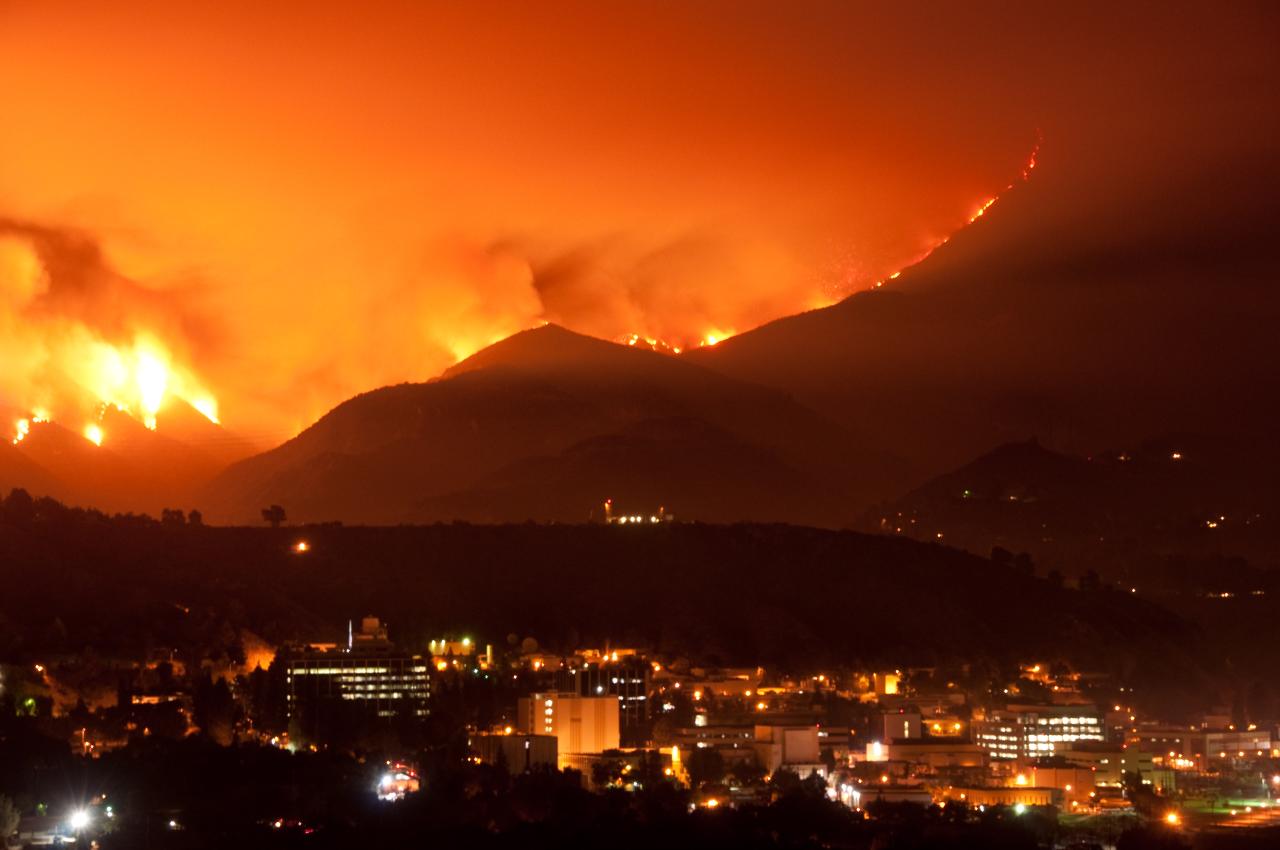
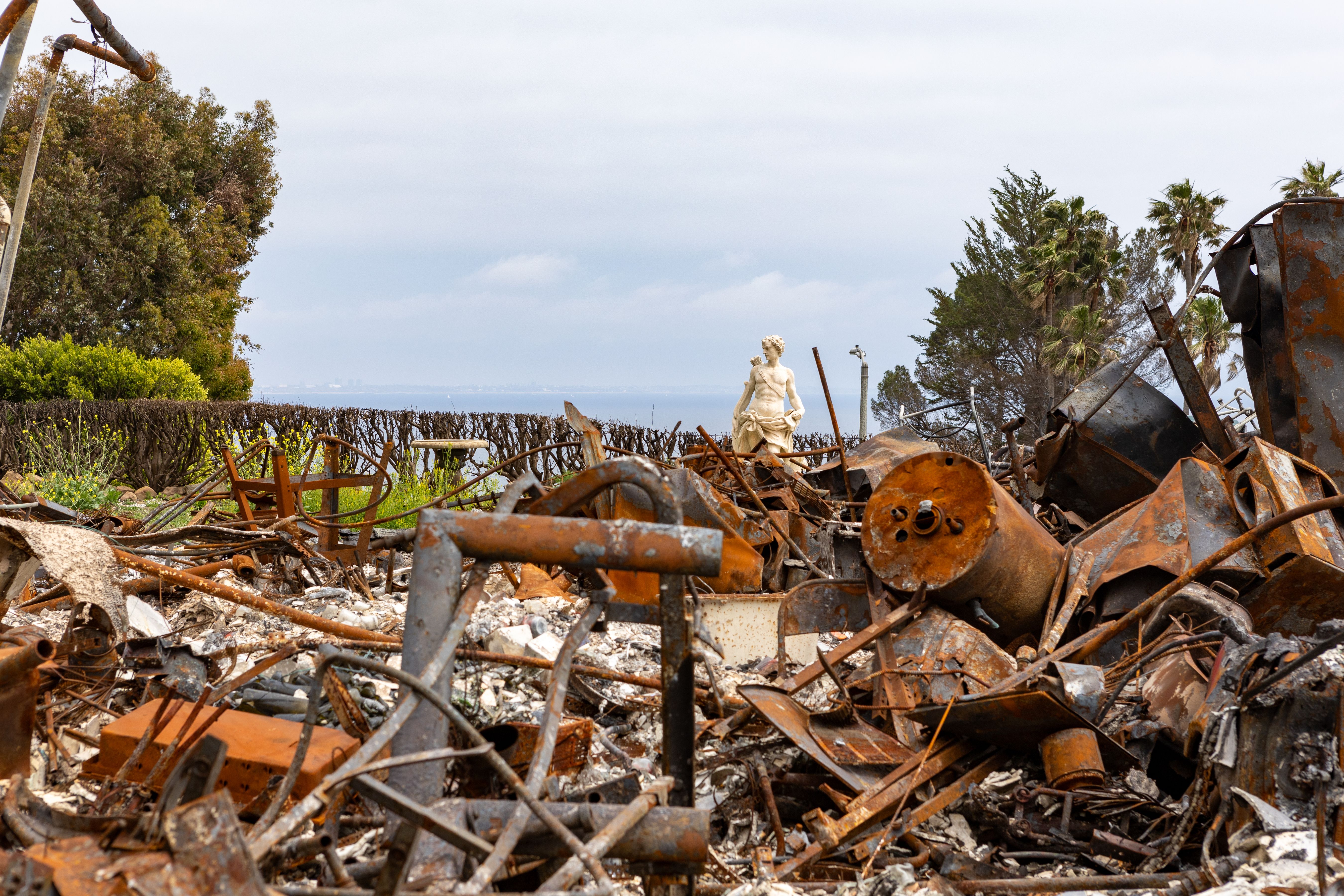
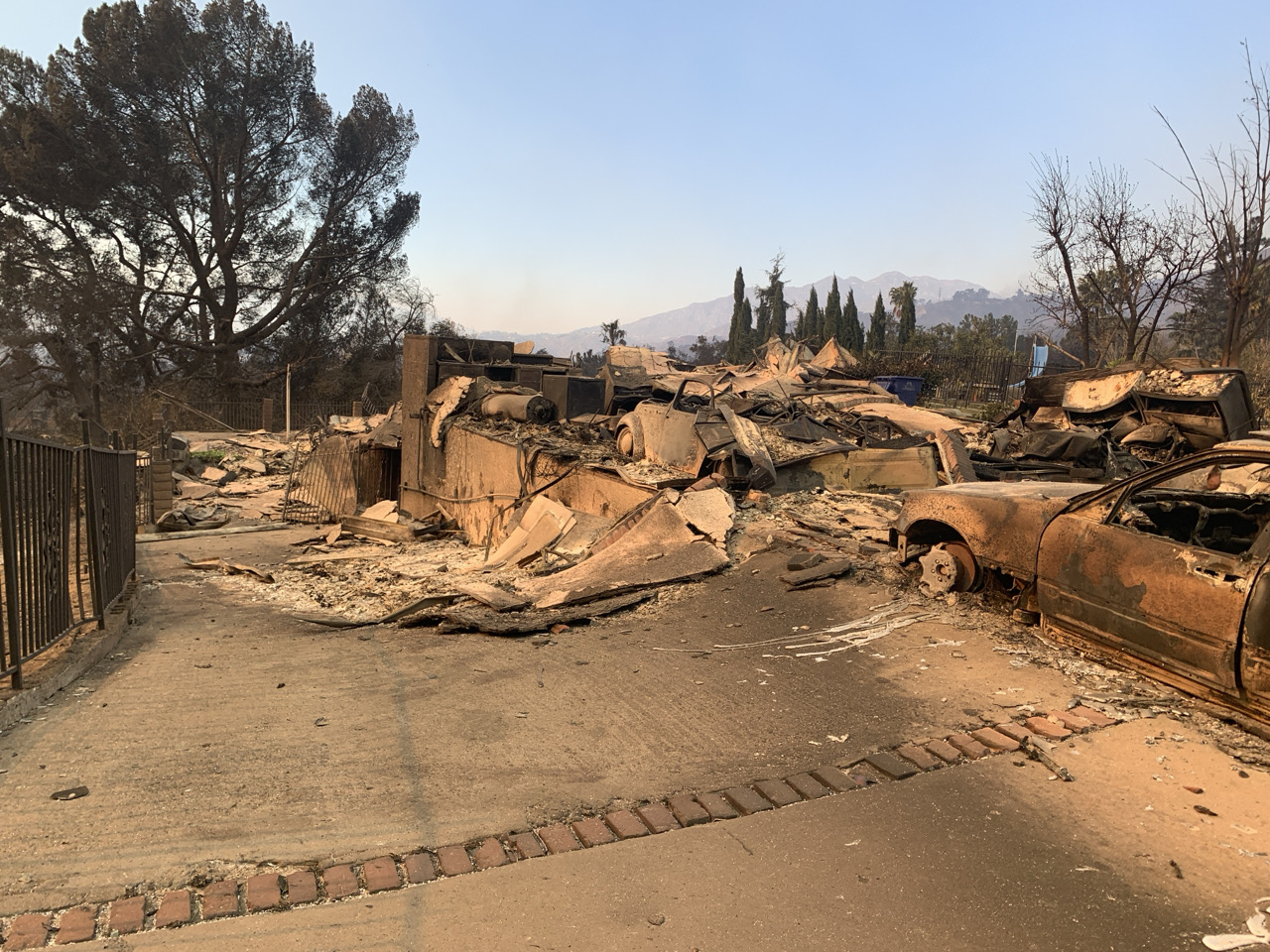
The deal carries direct weight in Altadena, where the January 2025 Eaton Fire killed 19 people and destroyed 9,400 structures. Southern California Edison equipment caused that blaze, according to LAist. Eaton Fire survivors became a visible force against the governor's plan, ramping up their presence in Sacramento in the days before the deal.
"Survivors from across California came to Sacramento and asked our elected representatives to stand with the people whose homes, communities and lives have been devastated … They listened," Joy Chen, executive director of Every Fire Survivor's Network, said in the press release.
What the bill does
Under the amended SB 492, the state would establish a fast-pay program with deadlines: claims must be validated within 60 days of receipt, and settlement offers made within 30 days after that. Survivors who reject a settlement can still sue.
A survivor's lawsuit would be paused only after the discovery phase and only until 45 days after the claimant submits a completed claim to the fast-pay administrator.
The bill also prohibits private equity groups from investing in wildfire claims and bars utility CEO bonuses in years their companies cause fatal fires.
What the bill does not do
The amended language does not cap economic or noneconomic damages. It does not exclude smoke-damage survivors outside the fire perimeter. It does not limit contingency fees for attorneys representing individual survivors. And it does not eliminate subrogation, the right of insurance companies to recover costs from utilities.
Subrogation was the biggest sticking point. Newsom had pushed to eliminate it, but lawmakers rejected the idea out of concern it would destabilize California's insurance market, raise premiums and drive insurers out of the state.
Local voices
State Sen. Sasha Renée Pérez, a Democrat who represents Pasadena and Altadena in Senate District 25, praised survivors' role in shaping the outcome. Pérez told LAist that insurance companies must also be held accountable for delaying and denying fire survivors' claims.
Newsom, in a statement, called the deal incomplete and urged lawmakers to return to the issue in January to address what he called the Wildfire Fund's long-term durability and electricity rate stability. California's $18 billion wildfire fund, which would back the fast-pay program, is funded equally by utility customers and shareholders.
Every Fire Survivor's Network said it will press the Legislature in January on what it calls the unresolved question: preventing the next utility-caused fire.
Lawmakers are scheduled to vote on SB 492 on Thursday, Sept. 3. Under California law, the amended text must be in print for 72 hours before a vote can take place.