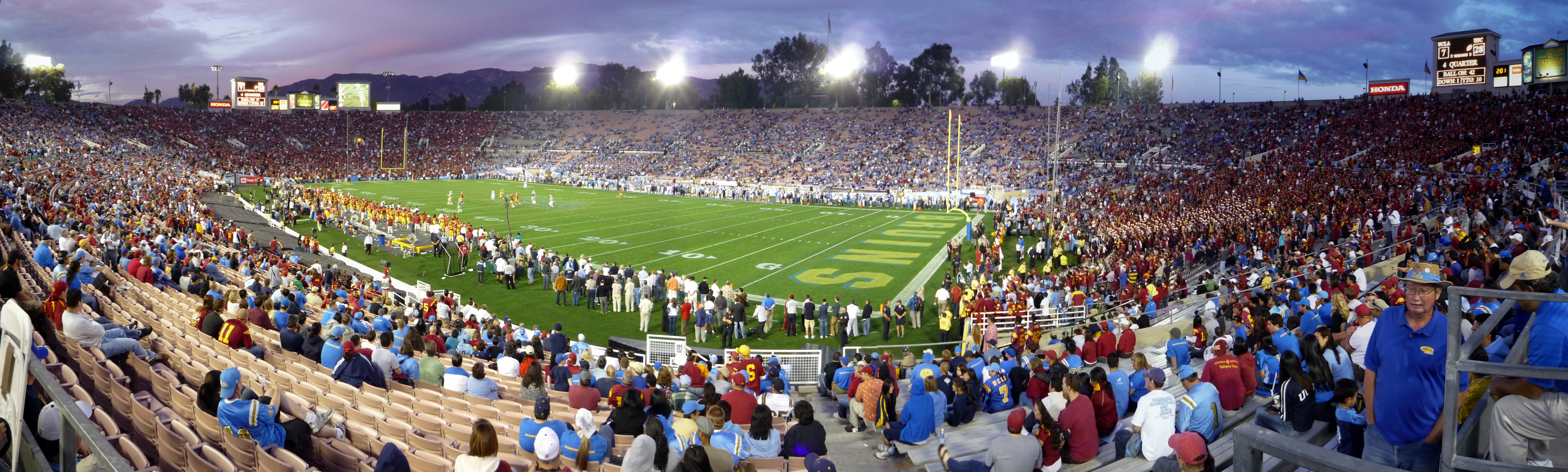
Pasadena residents heading to a concert or the Rose Bowl Game will pay Ticketmaster's fees no matter what. The city-owned stadium's ticketing contract runs through the same company that a federal antitrust case targeted, and 1950s-era banking laws ensure no financial competitor can step in to undercut it.
The Rose Bowl was one of 26 publicly owned venues whose Ticketmaster contracts The Guardian obtained through public records requests in March 2026. Those contracts reserved Ticketmaster's right to renegotiate fees to remain "reasonably compensated" if any charges were eliminated by regulation. For the 2026 Rose Bowl Game, tickets started at $196.95 plus service fees, with Ticketmaster listed as one of only four authorized distributors.
The Pasadena City Council deepened that relationship in February 2026, approving a licensing agreement with Live Nation, Ticketmaster's parent company, for six major concerts at the Rose Bowl in April or May 2027.
What banking rules have to do with it
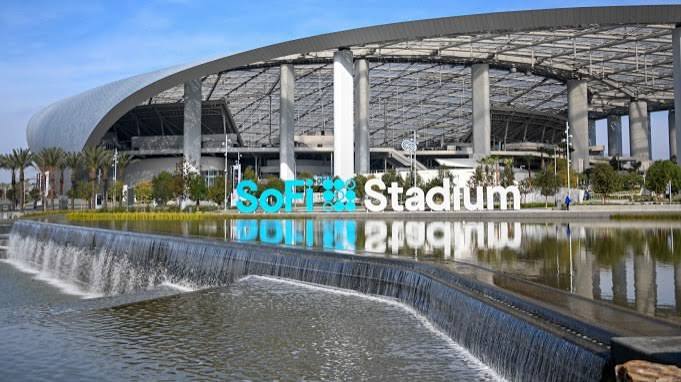
SoFi Stadium in Inglewood is in the same position. The stadium takes its name from SoFi Technologies, a federally chartered bank with 15.8 million members and $1.2 billion in quarterly revenue as of its Q2 2026 earnings release. SoFi pays more than $30 million a year for naming rights. It offers members a lounge and expedited entry.
It cannot sell them a ticket.
The Bank Holding Company Act of 1956 bars banks from engaging in commerce. Under that law, an acquiring entity must generally be a bank or a company predominantly engaged in financial activities, according to a 2026 Chambers practice guide on U.S. banking regulation. SoFi holds a national bank charter, so ticketing is off-limits.
That leaves fans routed through Ticketmaster, which controls roughly 80% of major venue primary ticketing in the United States, according to the FTC, as reported by Marketplace. A 2025 study by the National Independent Talent Organization found Ticketmaster's average fees run 34.73% of a ticket's face value, nearly double the 18.71% average charged by smaller providers.
The cost to Pasadena fans
The Rose Bowl Operating Company projects $92.9 million in total revenues for FY 2027, with net event income of $25.98 million. Ticketing revenue from Rose Bowl events flows through Ticketmaster and other authorized distributors, not directly through the city-owned venue.
When California's all-in pricing rules took effect, Ticketmaster eliminated its order processing fee but raised other charges. Documents obtained by The Guardian showed the company told the city of Sacramento its per-ticket cut would rise about 25%, from $3.45 to $4.25, to "offset revenue loss." Whether the Rose Bowl's contract saw similar adjustments has not been confirmed publicly.
"Since we remain largely hostage to Ticketmaster, they have simply shifted which hand they have in our pockets," Northeastern University economics professor John Kwoka told The Guardian in March 2026.
What could change
The DOJ settled its antitrust case against Live Nation/Ticketmaster in March 2026, dropping its demand to break up the company. The settlement included divestment of some venue booking agreements and a 15% cap on service fees at Live Nation amphitheater shows. A coalition of more than 30 states chose to continue the litigation.
No legislation to overhaul the banking-commerce divide is pending in Congress. The next test: PayPal's December 2025 application to form a Utah-chartered industrial loan company, which would let it take FDIC-insured deposits while sidestepping Bank Holding Company Act restrictions.
For Pasadena or SoFi, the immediate question is local. Can a more streamlined approach bring costs down for consumers? Should banking rules that were crafted in the 1950s dictate who can sell tickets to consumers? For stadium owners whose investment is often tied to the need to sell tickets, this is a critical question.