The Pasadena City Council is scheduled to weigh the future of the police department's automated license plate reader program on Tuesday, Nov. 17, according to a city announcement. The council will balance the program's crime-fighting value against privacy concerns.
The review comes after Independent Police Auditor Teresa Magula issued a compliance report examining the department's use of Flock Safety cameras. That July 9 report, prepared for the Community Police Oversight Commission (CPOC), found the system "generally consistent with California law and Department policy." It also found no evidence the cameras were used for immigration enforcement.
The report flagged equity concerns.
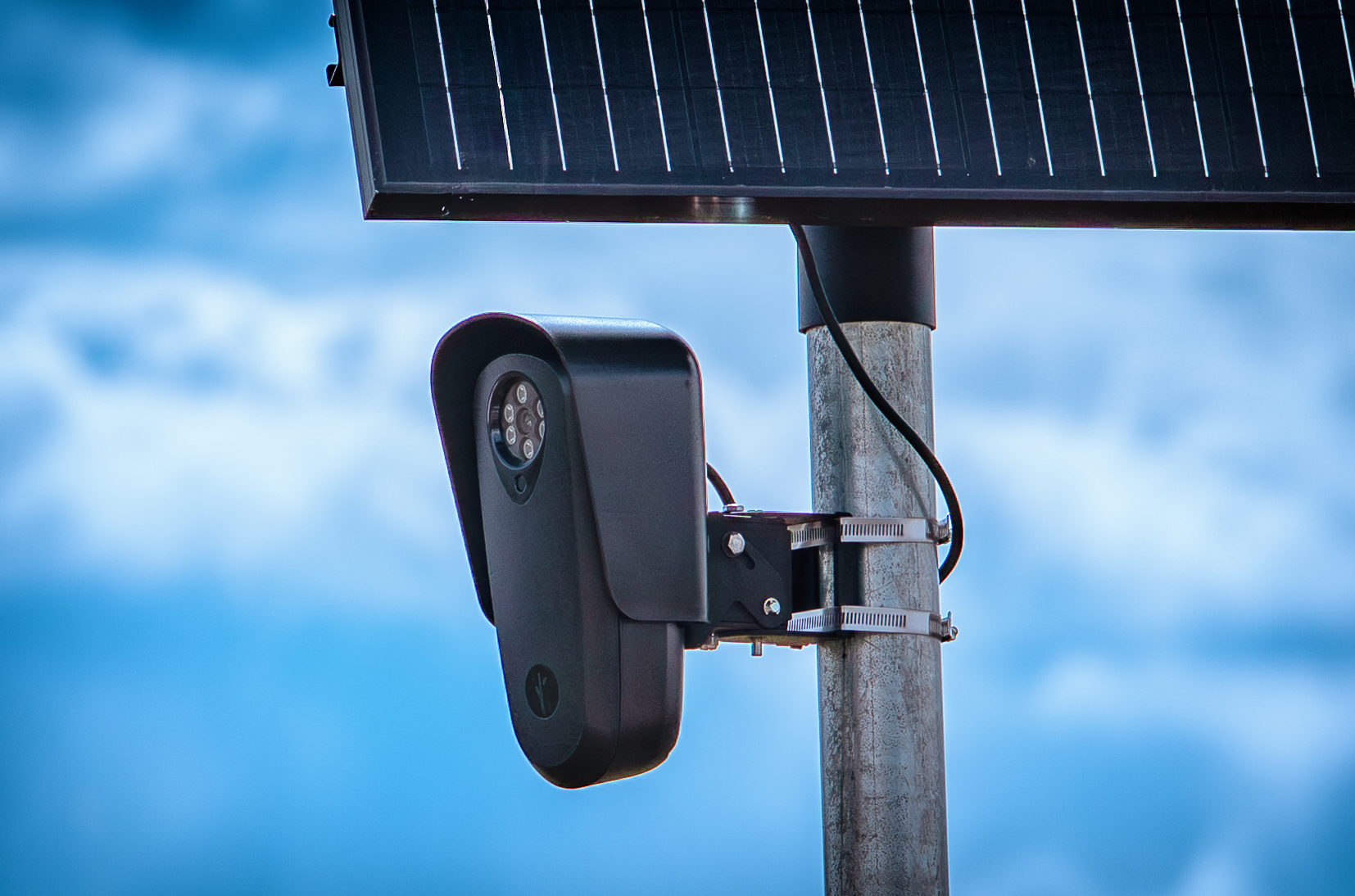
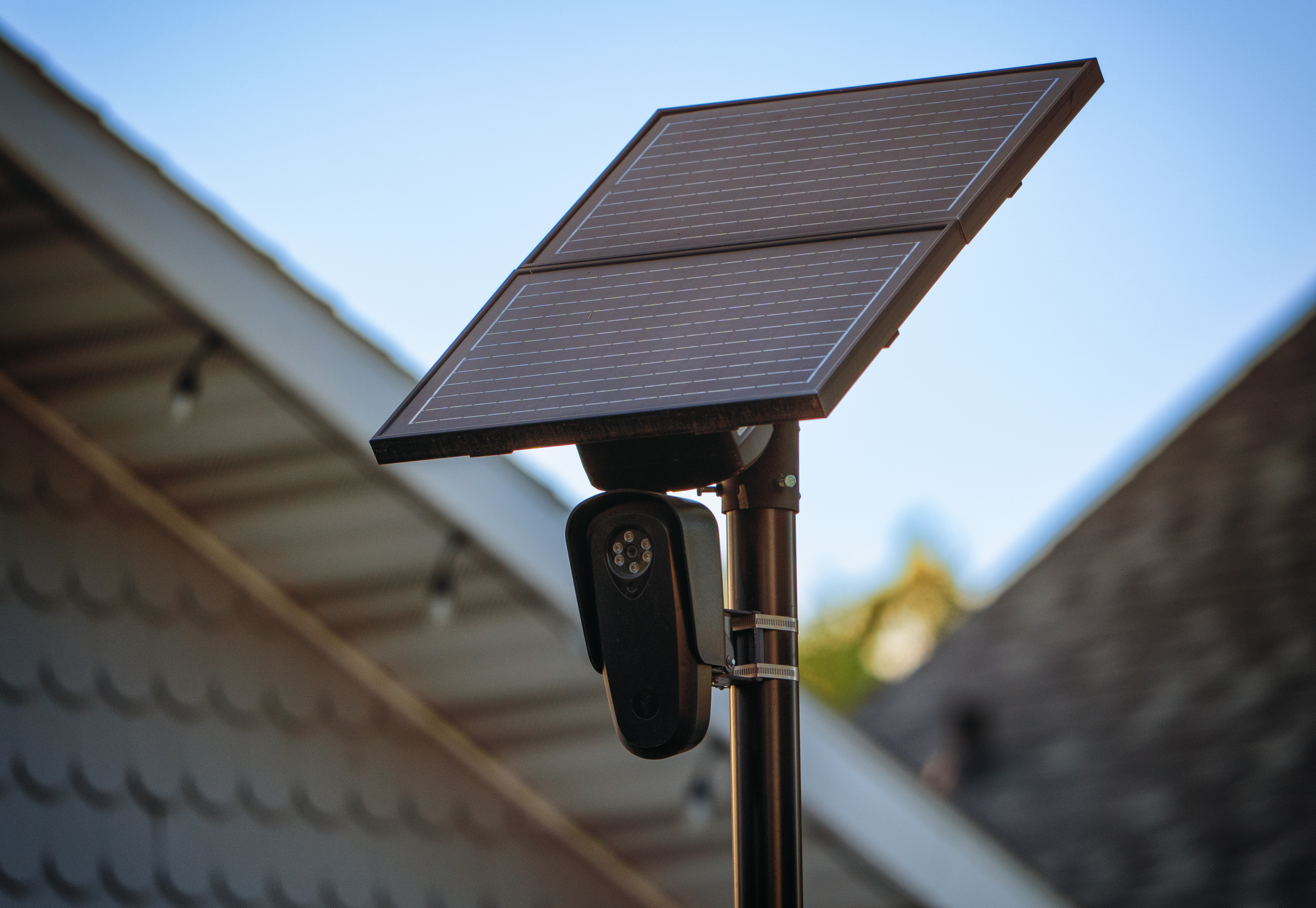
The Pasadena Police Department began deploying the fixed-position cameras in 2023 and operates 61 Flock Safety units across multiple council districts, according to the auditor's report. In April 2025, the department proposed adding 11 cameras using grant funding, which would bring the total to 72.
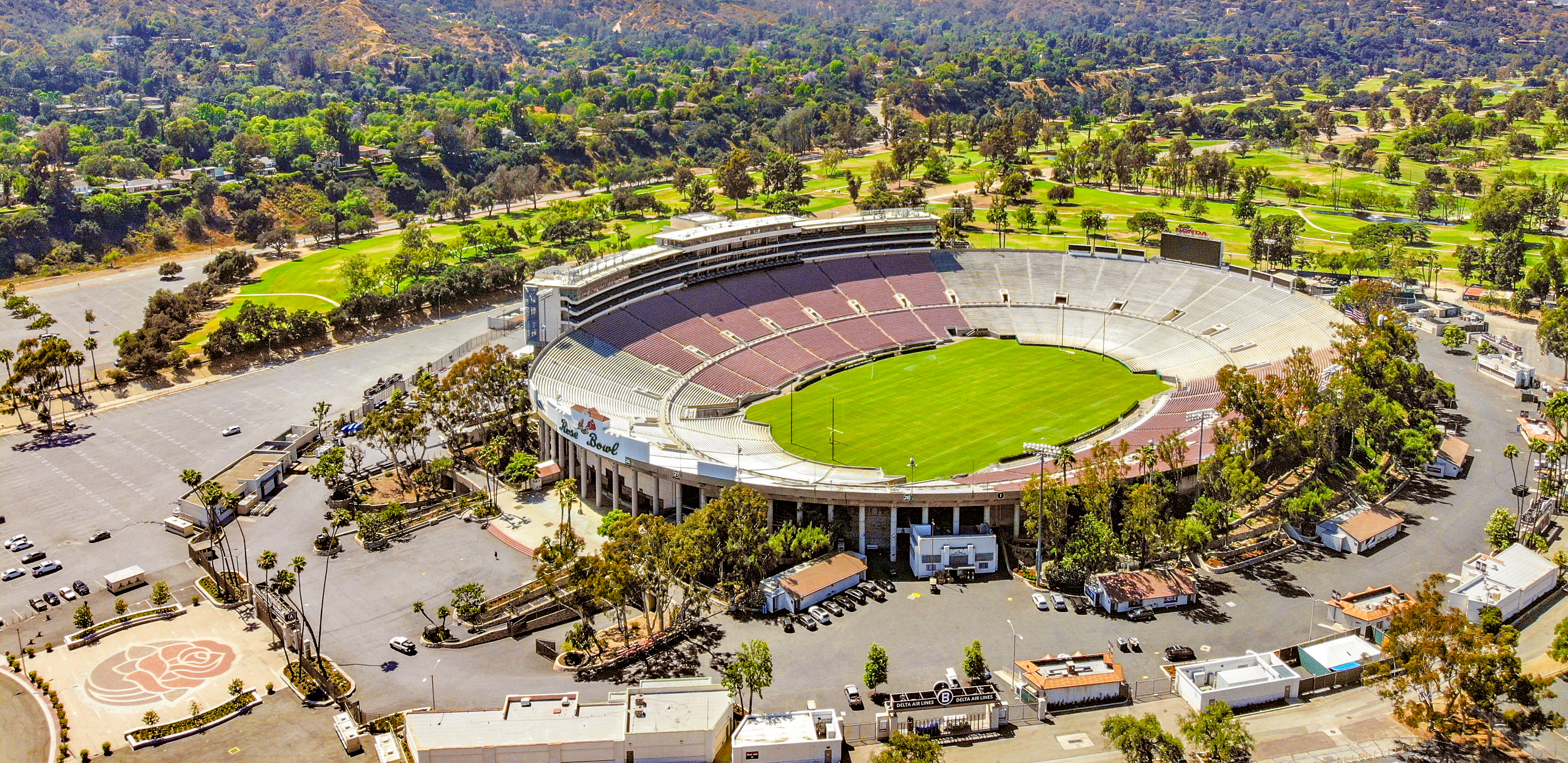
A separate legacy system of 11 Motorola Vigilant cameras in the Rose Bowl corridor was disclosed by department personnel during their review of the report. Those cameras were not part of the original audit.
How the system is used
About 70% of searches targeted a specific license plate already tied to an investigation, according to the auditor's review. The remaining searches used broader vehicle descriptions such as color, make or type. Searches were connected to auto theft, burglary, robbery, assault, homicide, missing persons and domestic violence cases.
Data is stored in an encrypted cloud environment and automatically deleted after 30 days unless tied to an active investigation.
Data-sharing concerns
The report noted that the department disabled access to its ALPR data by the Northern California Regional Intelligence Center (NCRIC), a regional fusion center, effective June 18, 2026. That step followed a report that San Francisco police ALPR data had been queried by analysts operating through NCRIC on behalf of federal or out-of-state agencies.
Magula wrote that NCRIC had been "among the more frequent external users of Pasadena's ALPR system" during the audit period.
Camera placement and equity
The auditor acknowledged that cameras are not evenly distributed across the city. At least two council districts along the city's borders have none, while others have significantly more. Magula wrote that this "uneven distribution is real and visible, and it reasonably contributes to concerns about fairness and impact."
The department said placement decisions were based on traffic flow, major roadways, crime statistics and where vehicles enter and leave the city. The auditor found no evidence locations were selected based on race or ethnicity. But Magula noted that because major roadways often run through denser or historically underserved neighborhoods, the strategy can concentrate cameras in areas where communities of color live, even when those neighborhoods were not specifically targeted for their demographic makeup.