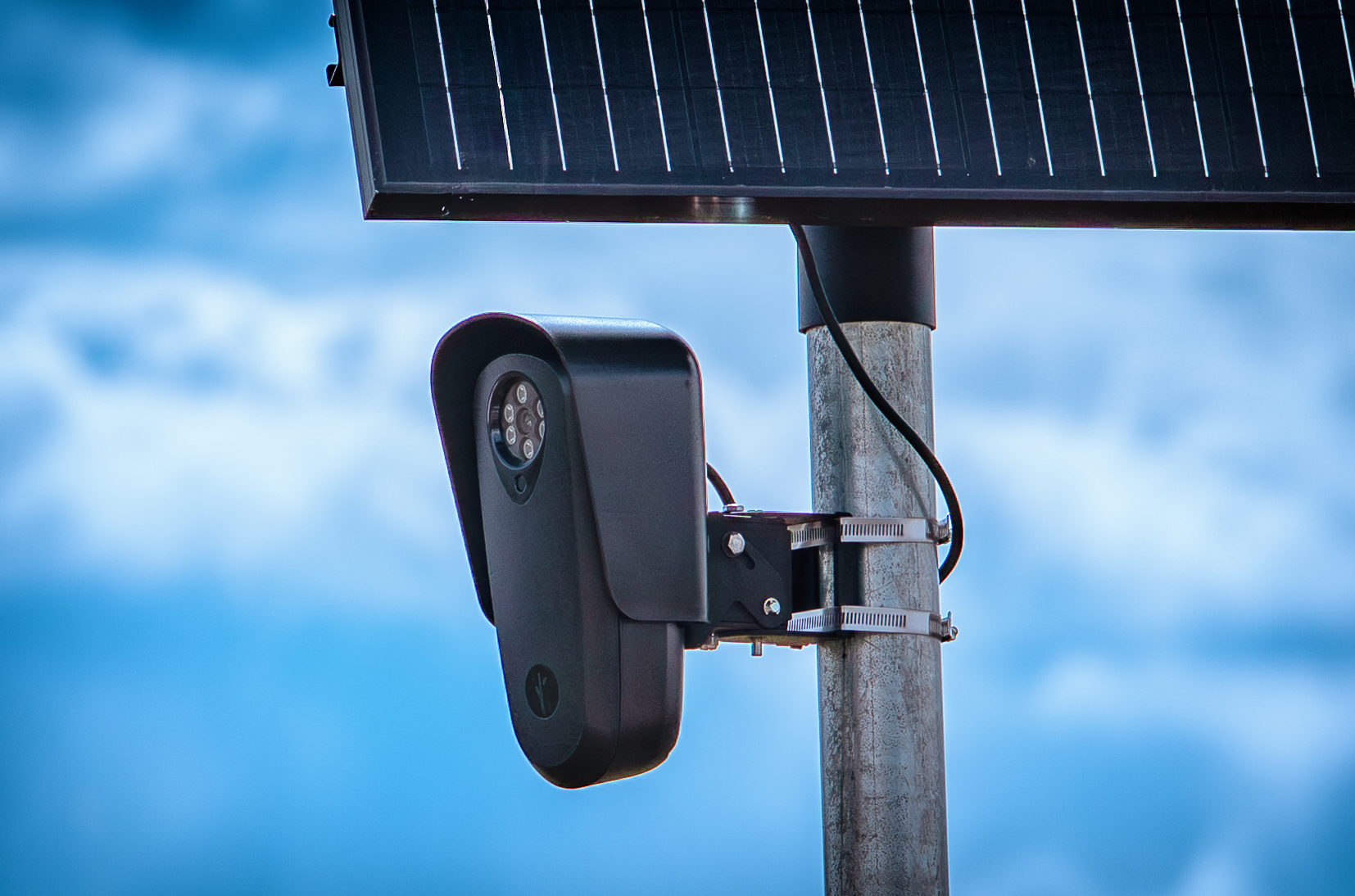
Pasadena’s City Council voted 7–0 Tuesday, Nov. 17, to decline another year of Flock Safety license plate camera service, Pasadena Now reported. Councilmember Tyron Hampton abstained.
The cameras will continue operating through the service period already paid through February 2027. Staff will study future options with public input, but the council did not direct an immediate search for a replacement vendor.
The vote comes roughly four months after Independent Police Auditor Teresa Magula completed a review of the Pasadena Police Department's Flock Safety program for the Community Police Oversight Commission (CPOC). That July 9 report found the system was "generally consistent with California law and Department policy" and included "meaningful controls to limit access and track use."
But the review also surfaced concerns.
Magula's report cited "growing concerns" from community groups across California about whether the technology could be used for immigration enforcement. The auditor found no evidence the system had been used for that purpose.
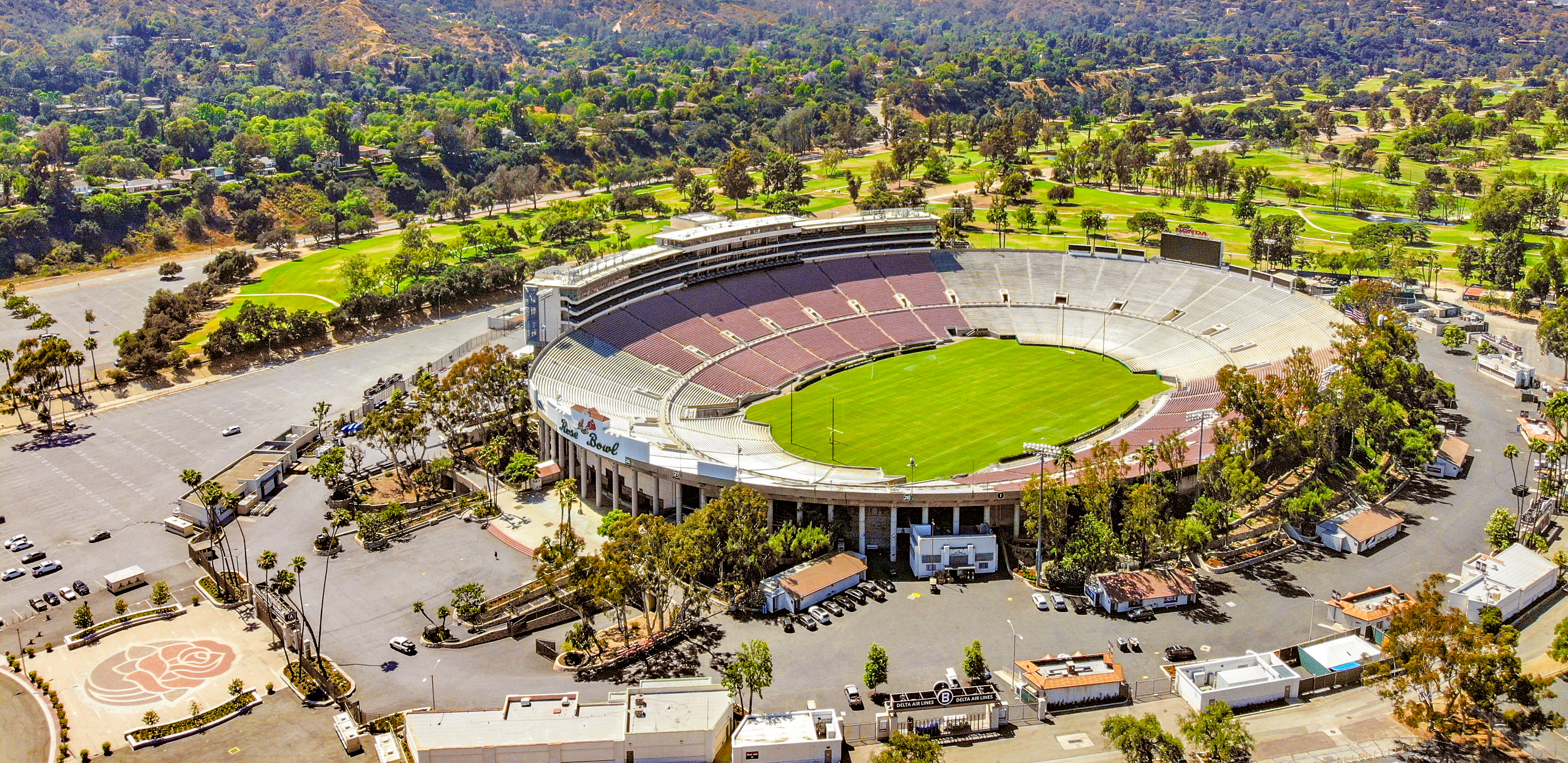
The police department operated 61 fixed Flock Safety cameras across multiple council districts at the time of the review. In April 2025, the department had proposed expanding to 72 cameras using grant funding. The department also operates a separate legacy Motorola Vigilant system with 11 fixed cameras in the Rose Bowl corridor, the report disclosed.
Community members raised concerns about where cameras were placed. The auditor acknowledged cameras were "not evenly distributed across the City," with some districts having far more than others and at least two border districts having none. Magula found no evidence cameras were placed based on race or ethnicity but noted the uneven distribution "reasonably contributes to concerns about fairness and impact."
The report also flagged data-sharing questions. The department disabled access to its license plate data by the Northern California Regional Intelligence Center (NCRIC) on June 18, 2026. That step followed reports that San Francisco's plate reader data had been queried through NCRIC on behalf of federal or out-of-state agencies, according to the auditor's review.
The department’s internal audit examined more than five million searches during 2025, according to Magula’s report.