The Pasadena City Council voted unanimously Sept. 29 to designate a Black Legacy District in northwest Pasadena and allow denser housing along the Fair Oaks corridor.
The vote adopted the Fair Oaks–Orange Grove Specific Plan, replacing a 2002 land-use framework with one that permits mixed-use buildings and higher residential density along a corridor residents described as a once-thriving center of Black-owned businesses. Pasadena Now and Colorado Boulevard reported a 7-0 vote; Hey SoCal reported a 6-0 count. Mayor Victor Gordo recused himself, saying he owns a home near the plan area.
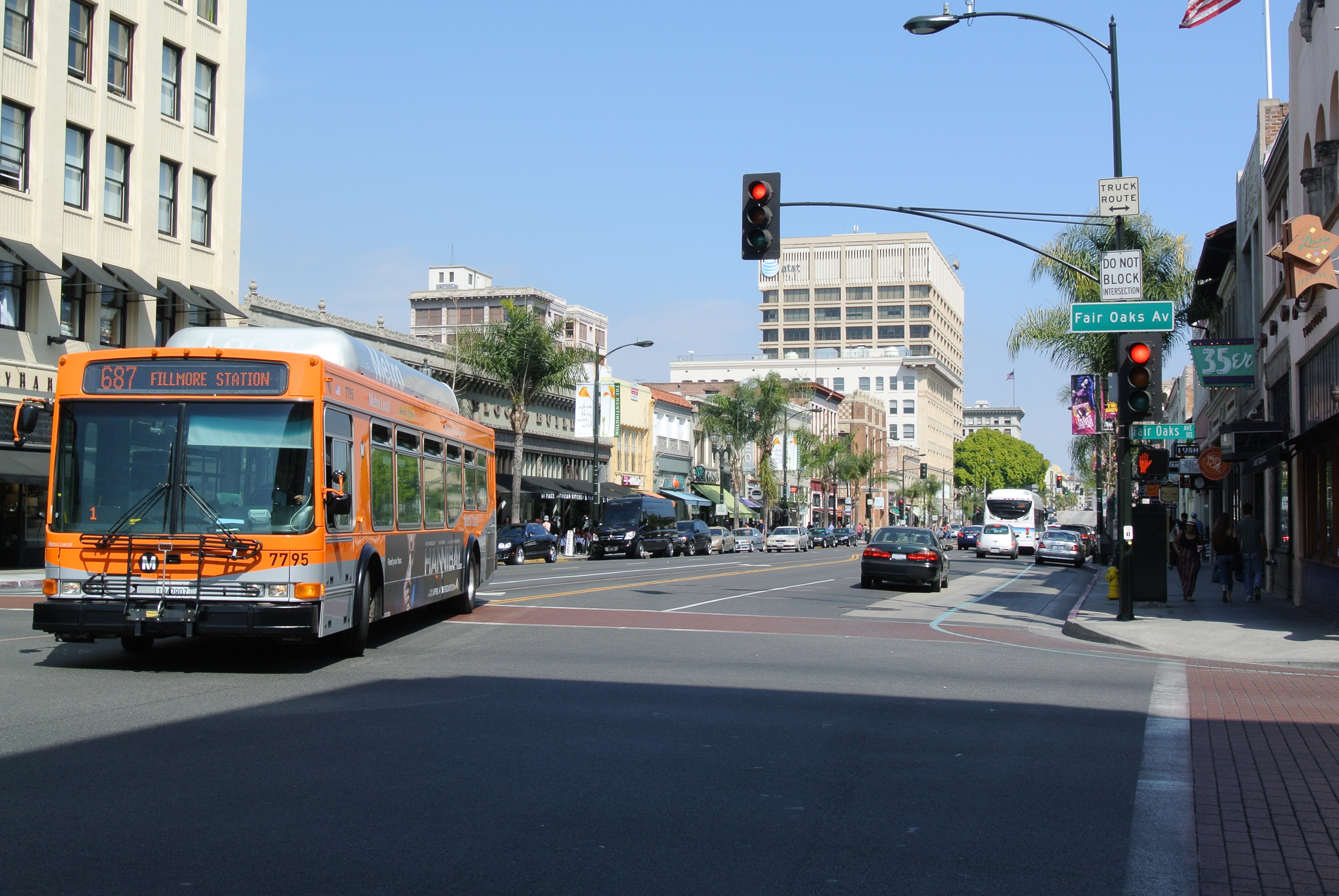
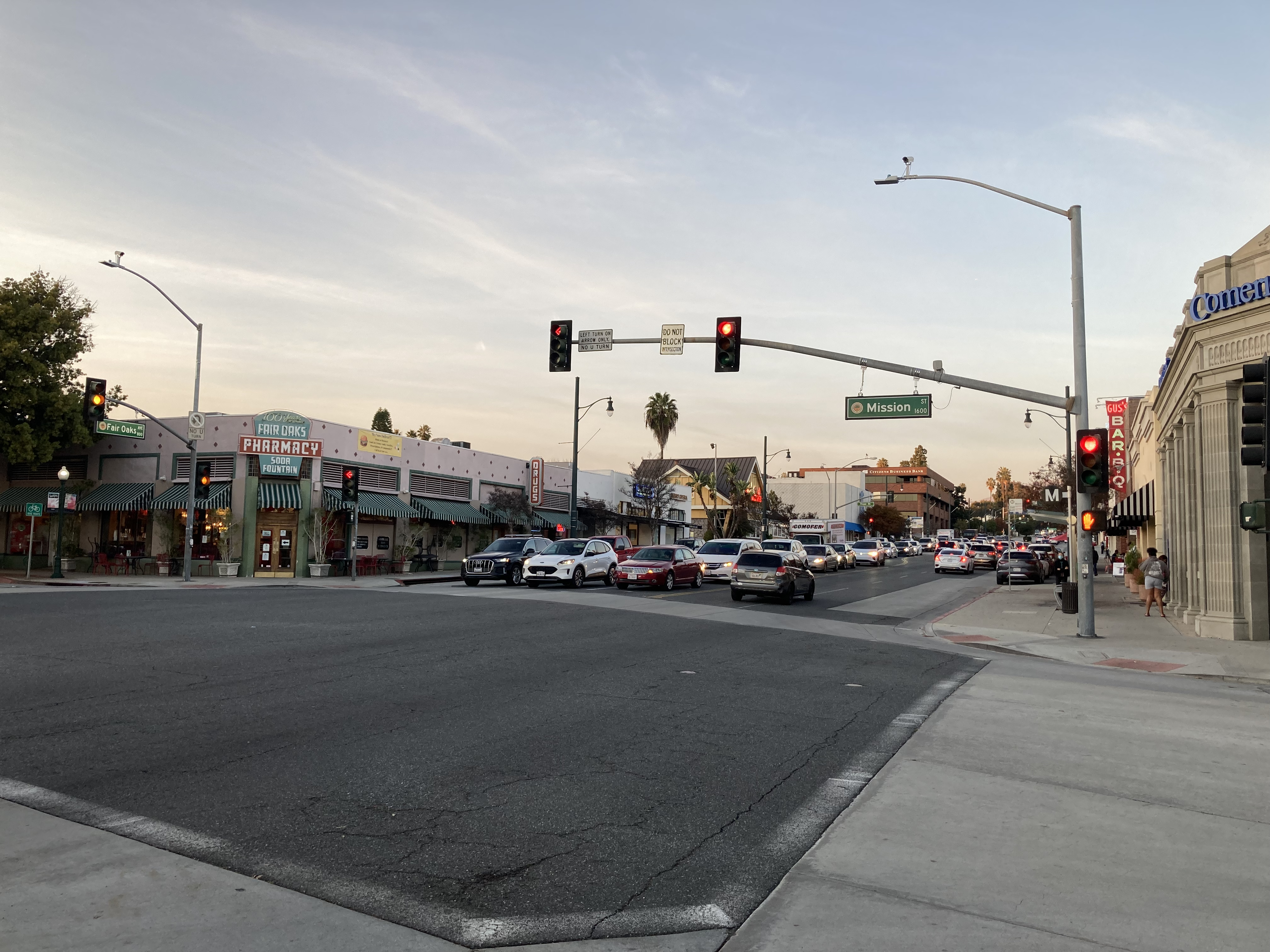
The plan covers more than 170 acres along North Fair Oaks Avenue between Montana and Maple streets and Orange Grove Boulevard between Lincoln and Maple avenues. It establishes four subareas: Robles, Arboleda, Robinson and the Black Legacy District. The Robinson subarea honors Pasadena residents Mack and Jackie Robinson.
Residential density jumps to 48 units per acre along Fair Oaks north of Washington Boulevard, up from 32, according to a city staff report. At the southeast corner of Fair Oaks and Washington, density rises to 32 units per acre from 16.
About 20 speakers addressed the council. Several described a Black business community hollowed out by redlining, mid-century "urban renewal" projects and construction of the 210 Freeway.
Loretta Parks told the council the designation would restore pride in the corridor where she grew up. Parks said naming it the Black Legacy District would create a sense of place that could drive culture, tourism and support for small local businesses.
One cabinet maker whose shop sits in the plan area said his property is now zoned for 87 units per acre. "As a small business owner, it kind of feels like I have a target on my back because that's such an incentive for developers," he said. He added that the city had forced him to sell once before and worried it could happen again.
District 1 Councilmember Tyron Hampton, who represents the area, made the motion to adopt the plan with added directives. He pushed staff to find funding for banners, crosswalks and decorative wraps for traffic-control utility boxes. Councilmember Justin Jones seconded.
Hampton said visible public spending would signal the city's commitment and draw private investment back to the corridor, as Pasadena Now reported. The council's vote did not allocate new funding.
District 2 Councilmember Rick Cole, a former planning commissioner, proposed moving a placemaking program and support for forming a business improvement district from medium-term to near-term priorities. He also pushed to waive fees for minor conditional-use permits. Cole said sustained financial and staff support would be essential, warning that adopting a plan alone would not bring the Black Legacy District to life.
Councilmember Steve Madison urged caution about attaching spending commitments to a plan whose staff report showed no fiscal impact.
The plan also calls for storefronts that engage pedestrians rather than blank walls and directs a study of bus shelters and transit improvements. The council referred a proposed street median to the Transportation Advisory Commission and called for collaboration with the North Fair Oaks Empowerment Group.
The city attorney has 120 days to prepare the zoning changes. No date has been set for funding the placemaking improvements Hampton and Cole championed.