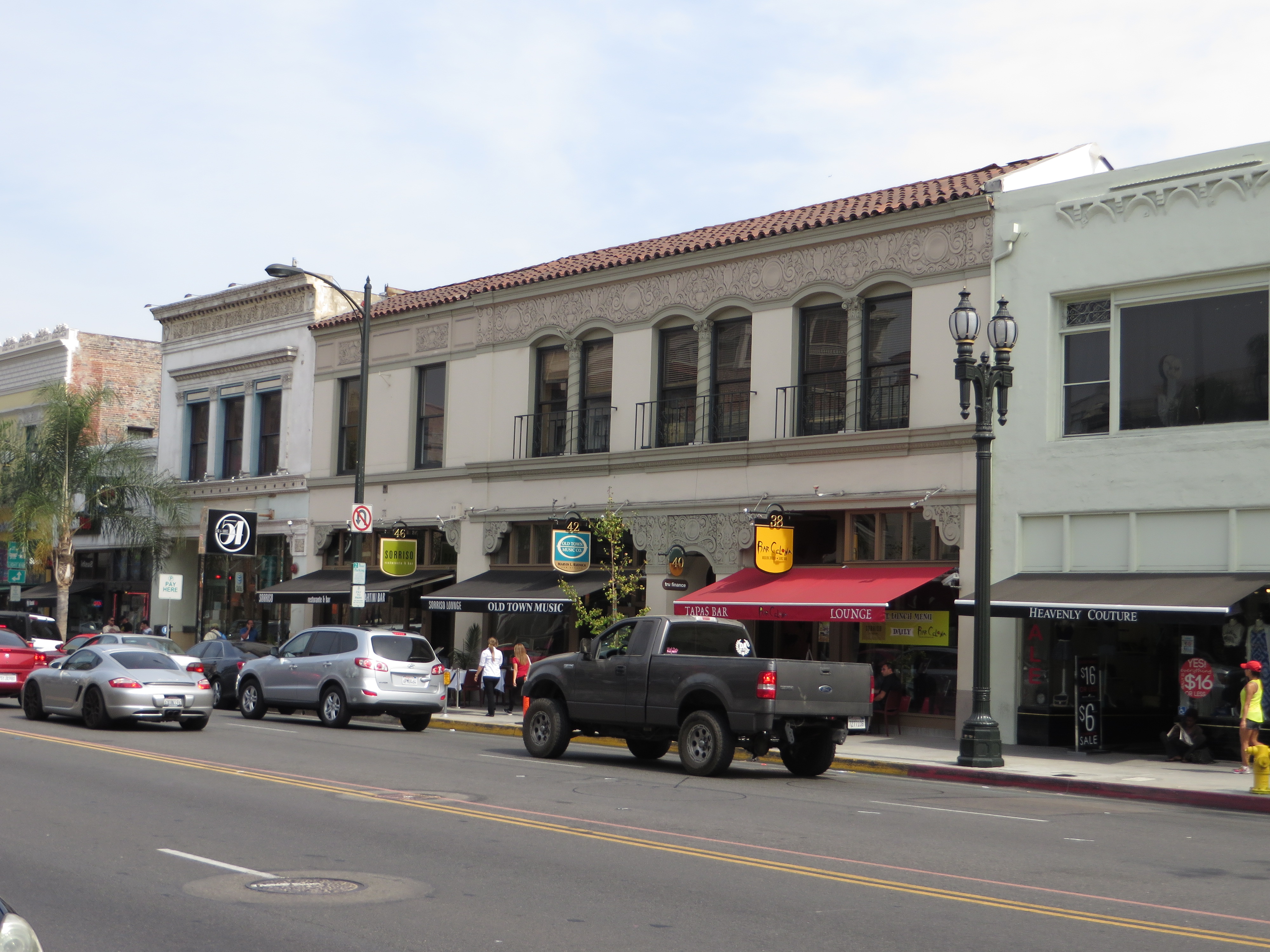
Pasadena shoppers will pay 11% sales tax on most purchases starting Thursday, Oct. 1, when Los Angeles County's Measure ER takes effect.
The half-cent increase, from 10.5% to 11%, applies to taxable retail sales across the county, Pasadena Now reported. County officials estimate the tax will raise about $1 billion a year for health care and other services strained by federal cuts.
Grocery food and prescription medicines are exempt.
Voters approved Measure ER on June 2 by a razor-thin margin, 50.64% to 49.36%. The tax runs for five years, through Oct. 1, 2031. Neighboring cities including South Pasadena, Sierra Madre, Arcadia and La Cañada Flintridge also rise to 11%.
Revenue flows into the county's general fund, where the Board of Supervisors controls spending. The Board of Supervisors has adopted an initial spending plan that would direct 45% to free or reduced-cost care for uninsured, low-income residents at nonprofit clinics. But a lawsuit filed Sept. 30 is currently preventing the county from spending Measure ER revenue, which must remain in escrow while the legal challenge is pending. Another 22% supports county public hospitals and clinics, and 10% goes to the Department of Public Health. Smaller shares fund nonprofit safety-net hospitals, family planning providers, school-based health programs and correctional health services.
Gordo pushes for a bigger Pasadena share
Pasadena and Long Beach are the only cities in Los Angeles County that run their own independent health departments. Under the current plan, the two cities split just 1% of Measure ER revenue, an estimated $10 million a year combined.
Mayor Victor Gordo argued in a July 20 letter to the Board of Supervisors that the share is too small. City staff estimated Pasadena and Long Beach together generate about 6.2% of the tax's proceeds and represent roughly 6% of the county's population.
"The 1% allocation does not reasonably align with the proportional revenue contribution or required public health obligations carried by both jurisdictions," Gordo wrote in the letter, as reported by Pasadena Now on Aug. 10.
Gordo did not specify what percentage the two cities should receive. No public response from the Board of Supervisors to his request has surfaced.
Health department stretched thin
The stakes are concrete for Pasadena's Public Health Department, which has served the city since 1892. The department's director told the City Council's Public Safety Committee that the department began the fiscal year starting July 1 with about 43% fewer staff than at its 2024 peak. The cuts followed two years of expiring grants.
The city's recommended budget for the current fiscal year did not assume any Measure ER revenue.
Oversight taking shape
A nine-member citizens' oversight committee will review Measure ER receipts and spending, including an annual independent audit. The committee can recommend how to allocate the money but has no authority to set spending priorities.
The Board of Supervisors on Sept. 15 approved Supervisor Kathryn Barger's appointment of Marlee Lauffer, a retired hospital foundation president, to the oversight panel, according to Barger's office. Barger was the only supervisor to vote against placing Measure ER on the ballot.
The oversight committee is expected to make recommendations before supervisors adopt a spending plan next spring for fiscal year 2027-28. Residents can look up the sales tax rate for a specific address through the California Department of Tax and Fee Administration or call 1-800-400-7115.