About 40% of the civil harassment and domestic violence cases in one Los Angeles County courtroom involved older adults in crisis because of their adult children's addiction or untreated mental illness, a Pasadena-based clinician found after observing 100 cases over five months.
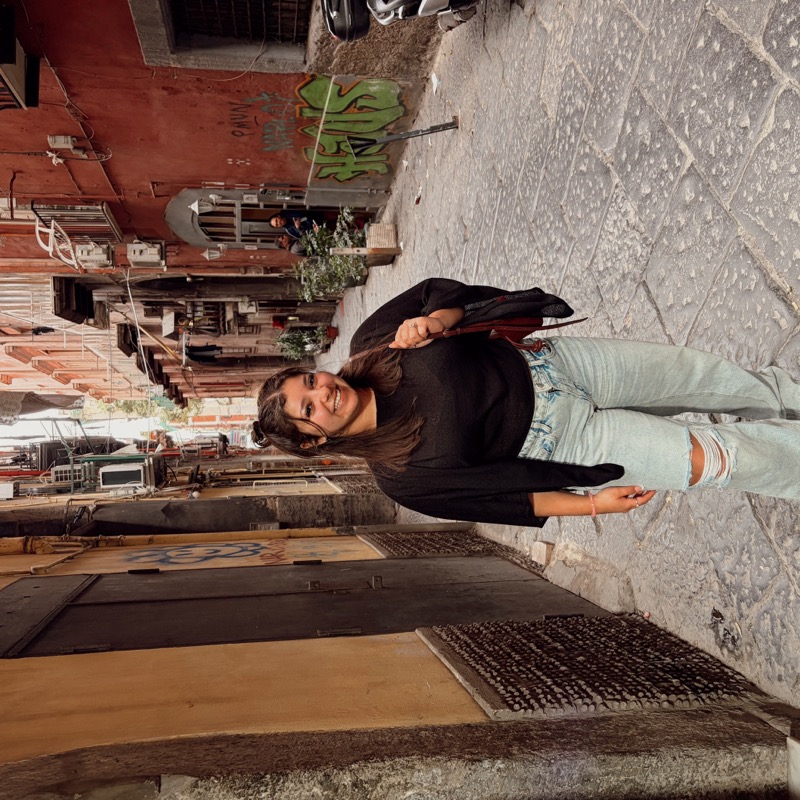
Stephanie E. W. Gonzalez, a behavioral health clinician, mediator, and social work researcher, sat in on those proceedings between March and July 2026 in what she described as a single open-court setting focused on restraining-order matters. She reported her preliminary findings in a July 12 article published by Local News Pasadena, a nonprofit outlet of the Pasadena Media Foundation. Gonzalez did not specify which courthouse she observed or detail her case-selection methodology, describing the work as clinical ethnographic research intended to identify patterns for further study rather than estimate countywide prevalence.
The pattern she documented: aging parents, many of them long-time homeowners, seeking court protection from adult children experiencing methamphetamine addiction, psychosis, or behavioral instability. They weren't seeking punishment, Gonzalez wrote. They were trying to prevent the next overdose, the next act of violence, or the next theft.
"The goal is not to transform courts into treatment centers," Gonzalez wrote. "The goal is to recognize what courts have already become: the place where behavioral health crises arrive after every other opportunity for intervention has been missed."
Pasadena's senior population is growing; so is the silence
Pasadena has roughly 23,600 residents age 65 and older, about 17.4% of the city's population, according to U.S. Census Bureau estimates. Countywide, LA's 65-and-older population is projected to increase 61% by 2040, rising from 1.44 million to more than 2.32 million, according to a 2025 analysis by the LA County Department of Aging.
National research confirms the scope of the problem. A peer-reviewed study of nearly 2,000 calls to the National Center on Elder Abuse resource line, published in the Journal of Applied Gerontology by USC Keck School of Medicine researchers, found family members were the most commonly identified perpetrators, appearing in 46.8% of cases. Separately, NCEA data on confirmed perpetrators found adult children accounted for 47.3%, the largest single group.
Yet only a fraction of elder abuse cases are ever reported. Gonzalez uses the phrase "Death by Shame" to describe why families stay silent: the stigma of admitting a child's addiction keeps aging parents from seeking help until crisis forces them into court. She is producing a documentary by the same name.
CARE Court helps some, but not all
California's CARE Court, which launched in LA County on December 1, 2023, allows family members to petition for court-ordered treatment for loved ones with schizophrenia spectrum disorders or Bipolar I disorder with psychotic features. The Pasadena Courthouse at 300 East Walnut St. is one of 12 county filing locations.
But CARE Court has a narrow scope. Substance use disorders alone do not qualify. That leaves families dealing with addiction without a comparable court pathway.
Gonzalez proposes embedding licensed behavioral health clinicians within existing court-connected mediation programs to serve as crisis responders, screeners, and referral specialists for Adult Protective Services. She frames the idea as complementing CARE Court, not duplicating it. No hearing or policy action on the proposal has been scheduled.
How to get help
LA County Adult Protective Services hotline: 1-877-477-3646 (1-877-4R SENIORS), available 24 hours a day, seven days a week, for concerns about older adults experiencing abuse, neglect, or exploitation. CARE Court petitions can be filed at the Pasadena Courthouse, 300 East Walnut St.