
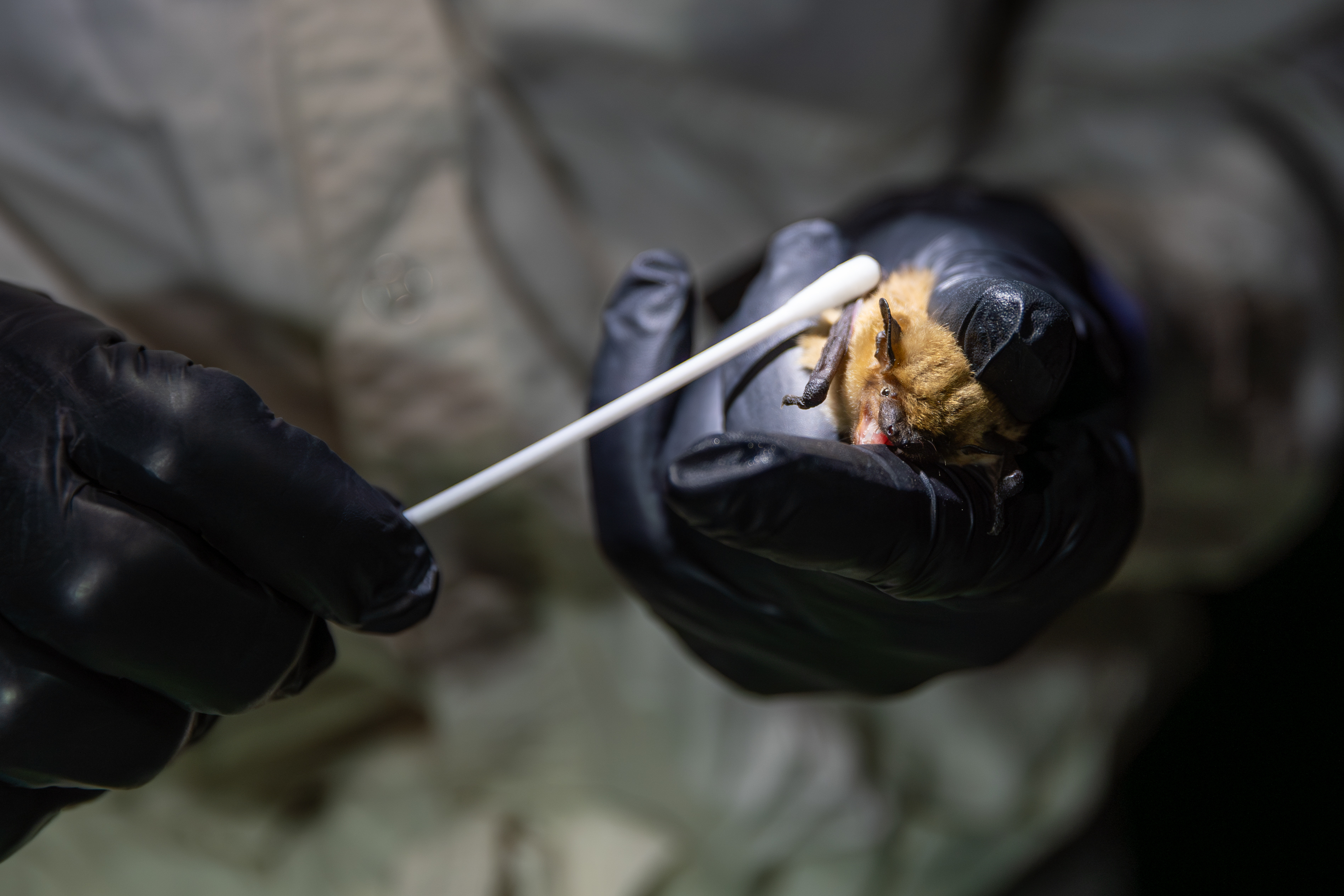
Rabid bats have been confirmed in communities surrounding Pasadena as Los Angeles County ties its all-time annual record of 69 detections.
The county's 2026 rabid bat map shows positive cases in La Cañada Flintridge in January, Monrovia in March, Glendale in April, Glendora in June and La Crescenta in September. The county's rabies data page notes that its totals include bats from Pasadena and Long Beach, though no specific Pasadena site appears on the map.
The LA County Department of Public Health announced the record-tying count Monday, Sept. 28, which was World Rabies Day. The county's rabid bat numbers have trended upward for more than a decade, and August alone brought 24 confirmed cases. Nearly one in three bats submitted for testing by residents that month came back positive.
Rabid bats have turned up across the county in homes, schools, parks and office buildings, according to the department. One-third of bat encounters happen indoors, where exposure risk is higher.
The Santa Clarita Valley accounted for 68% of the 2026 confirmed rabid bats. Most were Canyon Bats, suggesting rabies may be circulating more intensely within that local population.
Statewide, bats account for roughly 92% of all rabid animals. California reported 232 rabid bats through Aug. 31, according to provisional state data reported by KCRA in coverage of a CDC health advisory issued Sept. 10. The federal agency flagged rising human exposures nationwide since July.
Dr. Muntu Davis, the county's health officer, said in the department's Monday statement that residents should never touch a bat or any wild animal. "If you find a bat indoors or think you may have had contact with one, contact your medical provider or Public Health right away," Davis said.
Bat bites feel like a pinprick and can go unnoticed, according to the department. Anyone who wakes up to find a bat in the room, or discovers one near a sleeping person, child or pet, should treat it as a possible exposure.
Rabies is almost always fatal once symptoms appear.
Post-exposure prophylaxis, a series of vaccines given shortly after exposure, can prevent the disease. The department urged pet owners to keep rabies vaccinations current and to seal openings that could let bats into homes. Residents who find a bat involved in a possible exposure should not release it so animal control can collect it for testing.
To report a bat or ask about a possible exposure, residents can call the county's Veterinary Public Health Program at 213-288-7060 or dial 211 to reach local animal control.