A $300,000 grant is paying for professional crews to strip toxic ash, lead and asbestos contamination from 175 Altadena homes that survived the Eaton Fire but remain hazardous to live in.
The California Fire Foundation awarded the money through its Disaster Relief and Recovery program to two nonprofits: $200,000 to the Pasadena-based Fire Poppy Project for interior smoke and ash removal, and $100,000 to the DENA Soil Coalition for exterior soil restoration, the Pasadena Star News reported.
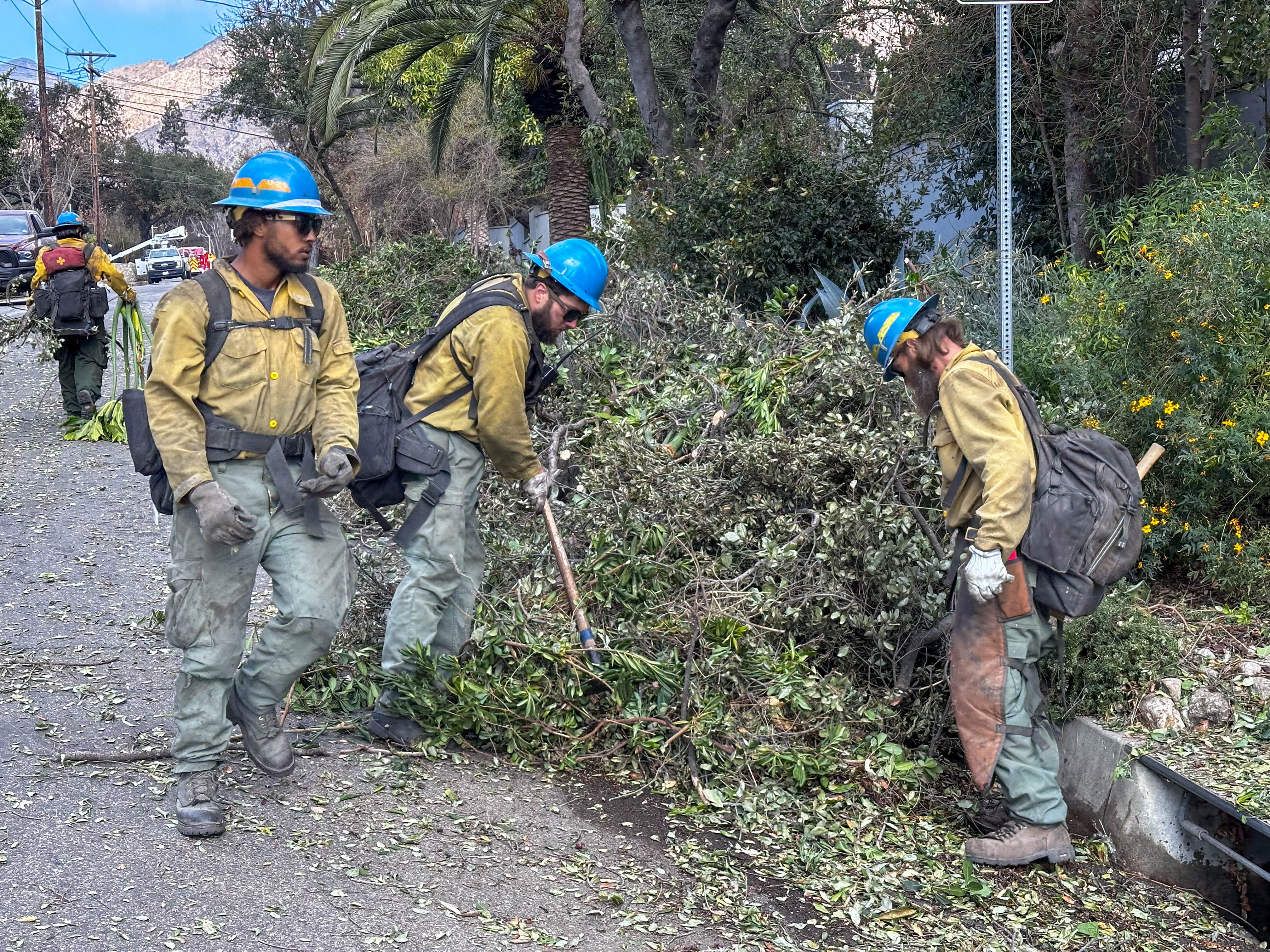
Crews were on the ground Friday, Aug. 14, at the Altadena home of James Dangerfield, 84, and his wife Stephanie. The couple has lived there 57 years. Workers in protective gear vacuumed walls and applied chemical sponges to pull embedded soot, while soil teams used bioremediation in the front and back yards starting around 9 a.m.
"I will be glad when everything is done," James Dangerfield said. "I would like to have social interactions with my family again."
The Dangerfields moved back into their home in January 2026 after running out of money for temporary housing. They paid out-of-pocket for basic wiring repairs but could not afford full remediation, which nonprofits involved in the effort say can run up to $100,000 per home.
What's in the soil and walls
The January 2025 Eaton Fire destroyed much of Altadena and left roughly 2,000 standing homes in the Eaton and Palisades fire footprints contaminated with lead, chromium, mercury and asbestos. Those toxins blew from burning homes, cars and electronics and settled inside walls and in soil.
The scale is severe.
Eaton Fire Residents United, a volunteer group, reported in January 2026 that six of 10 smoke-damaged homes had unsafe levels of asbestos linked to lung cancer, lead linked to brain damage, or both. That finding drew on self-submitted data from 50 homeowners, 78% of whom had hired professional cleaners, according to PBS NewsHour. Average lead levels were nearly 60 times higher than the EPA standard.
Even professional cleaning has limits. In a June 2026 statement supporting state legislation, EFRU reported that 96% of remediated homes still had detectable lead and 36% still had detectable asbestos after cleanup.
How the cleanup works
Enji Chung, executive director of the Fire Poppy Project, said the program aims to make environmental testing and remediation accessible to families who cannot afford it on their own.
Inside homes, crews first vacuum walls slowly, then mop them with a wet chemical sponge to remove soot and ash particles. Outside, chemist Daisy Rosas Vargas of the DENA Soil Coalition explained that bioremediation uses microorganisms and plants to help immobilize, transform or remove contaminants from soil. Crews apply compost loaded with microbes, then plant native species that pull heavy metals from the soil. After six months, the contaminated plant material goes to a hazardous waste landfill.
The $300,000 grant represents the last of $11 million the California Fire Foundation received in donations from across the country and internationally since January 2025, according to foundation executive director Kara Haynes. Fire-impacted residents also volunteered alongside professional crews during the Aug. 14 work.
The program covers 175 homes. Full testing and remediation for the remaining contaminated homes in the fire footprint remains unfunded. Residents seeking information can visit cafirefoundation.org.