West Nile Virus has been confirmed in mosquitoes trapped in Pasadena, prompting the city's public health department to urge residents to eliminate standing water and wear repellent during peak mosquito season.
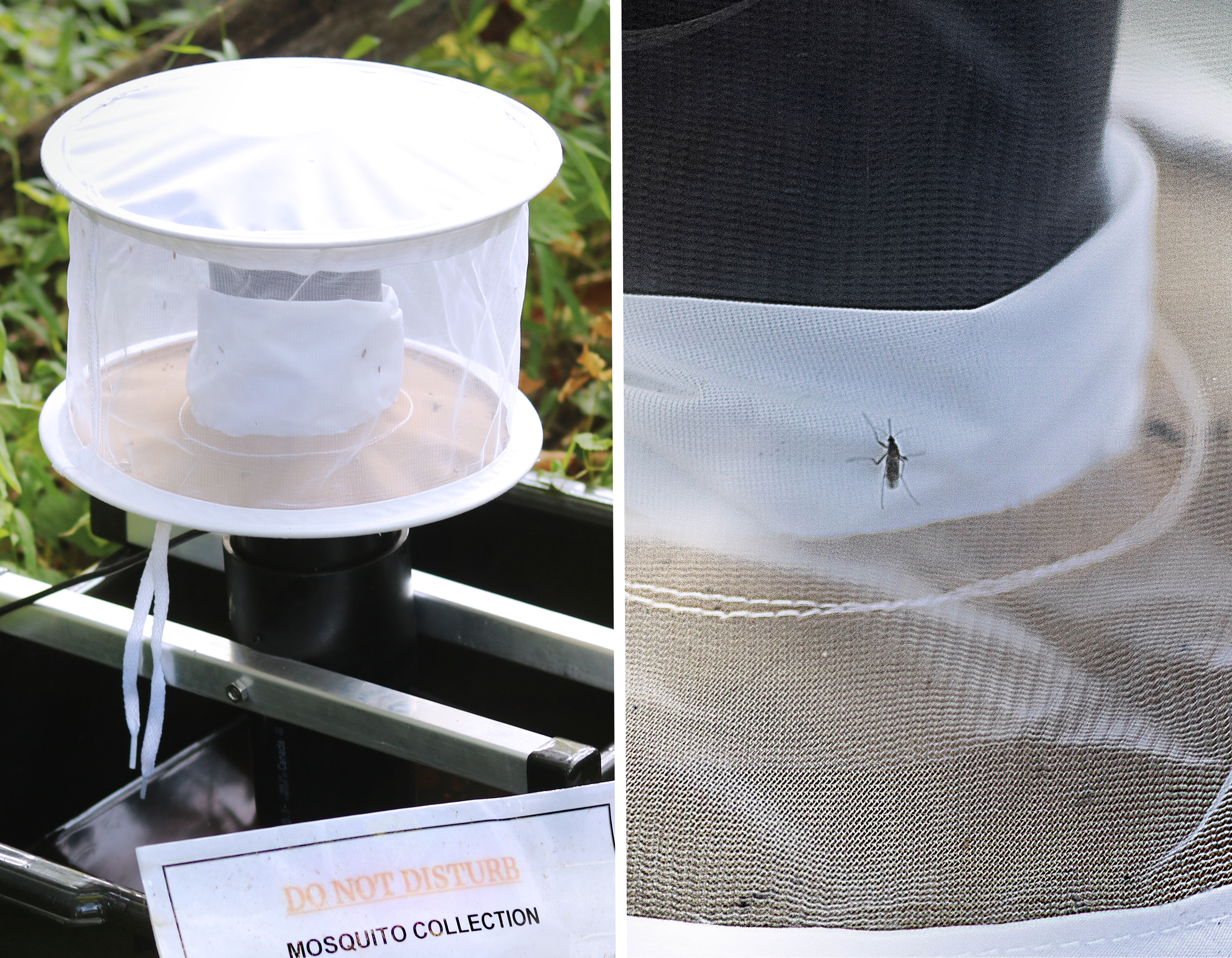
The Pasadena Public Health Department announced the detection Wednesday, Aug. 19, after the San Gabriel Valley Mosquito and Vector Control District identified the virus in local mosquito samples. The department did not specify which neighborhood the infected mosquitoes were found in.
The city's alert centers on three steps: tip out stagnant water from containers around the home, toss unused items that can collect water and protect yourself with EPA-approved repellent containing DEET, picaridin, IR3535 or oil of lemon eucalyptus.
There is no vaccine or cure.
Tristan Hallum, director of scientific programs for the district, said in late June when the season's first positive mosquitoes were found in Alhambra: "There is no cure or human vaccine for WNV. The key to staying safe and protecting your health is to prevent mosquito bites."
The city's alert did not mention any human cases in Pasadena. But Los Angeles County confirmed its first 2026 case in mid-July, an Antelope Valley resident hospitalized with West Nile encephalitis after developing symptoms in late June. Statewide, California has recorded 30 human cases and three deaths in 2026, triple the count at the same point last year, according to state data reported by Yahoo News.
About one in five people infected with West Nile develop symptoms such as fever, headache and body aches. Roughly one in 150 develop severe illness that can include meningitis, encephalitis or paralysis. Adults over 50 and those with chronic health conditions face higher risk.
The SGV Mosquito District, which serves Pasadena and more than two dozen other communities, conducted overnight truck-mounted spraying in Monterey Park and West Puente Valley on the nights of Aug. 19 and Aug. 20 using a product called Aquaduet, which contains synthetic ingredients that mimic chrysanthemum flower compounds, KTLA reported. No similar treatments have been announced for Pasadena.
Mosquito populations in Southern California peak between June and mid-October, with the Culex species that carries West Nile most active in summer months.
Residents who spot neglected pools or persistent standing water can report them to the SGV Mosquito District at (626) 814-9466 or at SGVmosquito.org.