Pasadena counted 322 people living without shelter in January. Funding for services that help them is shrinking.
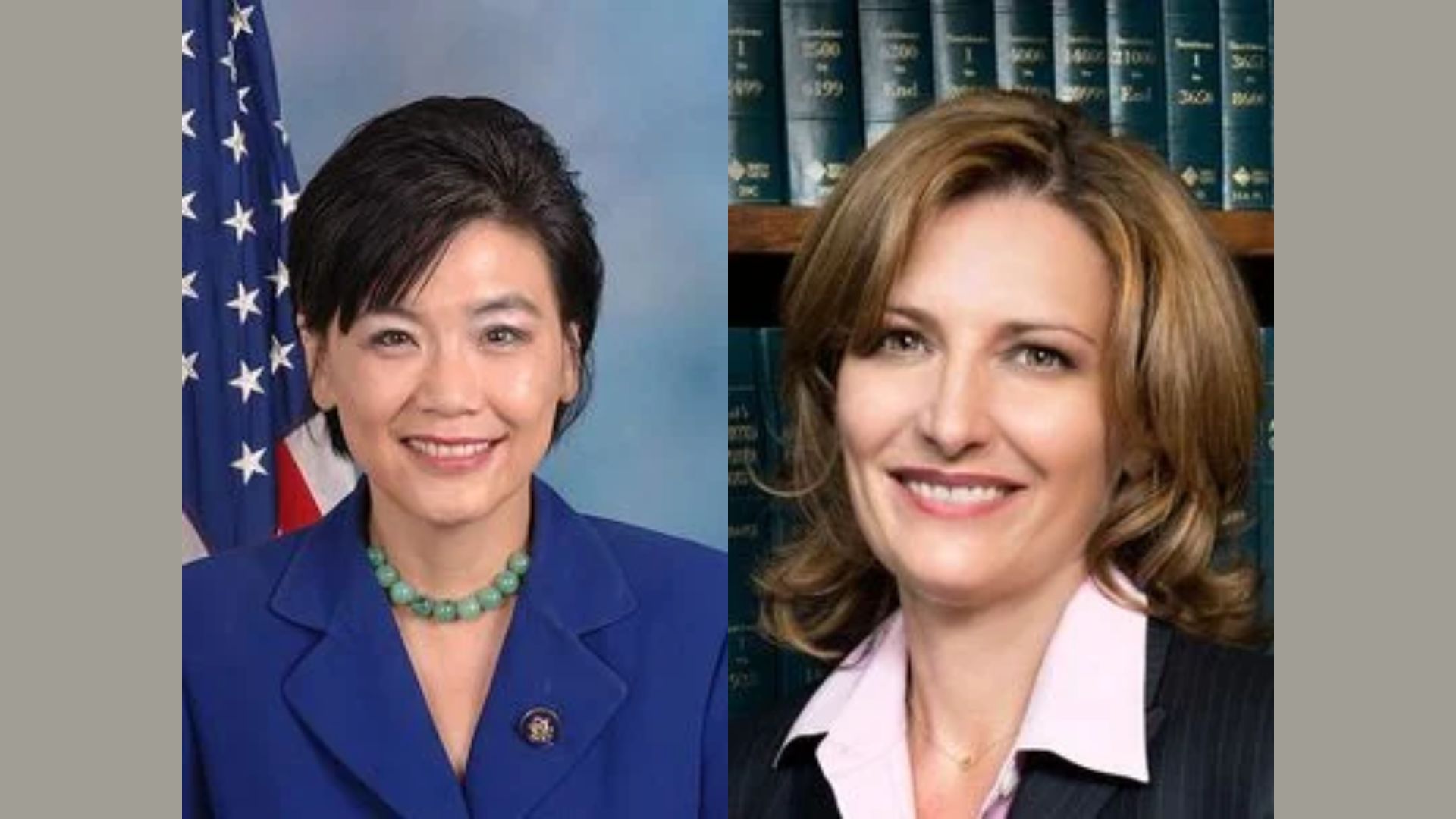
Katie Hill, CEO of Union Station Homeless Services, joined Councilmember Rick Cole for a CityTalk webinar on Tuesday, Oct. 20, to discuss what it would take to make real progress on homelessness. The hour-long conversation, reported by Pasadena Now, put specific numbers behind a problem residents increasingly see in their neighborhoods.
Pasadena's homeless population has hovered above 500 for five years, with roughly 60% living unsheltered, Cole said during the webinar. The city's most recent point-in-time count, conducted Jan. 21, 2026, found 577 people, according to a separate Pasadena Now report. Of those, 322 were unsheltered, the first decline in that category in five years. The sheltered population hit a 10-year high of 255.
Mayor Victor Gordo described the situation as reaching "a tipping point" at a Sept. 21 meeting of the Housing, Homelessness and Planning Committee, according to Pasadena Now.
Funding shrinks as need holds steady
Hill described a system squeezed from every direction. Federal pandemic assistance has expired, county funding has been cut and resources to move people from shelters into permanent housing are largely gone, she said during the webinar. The Eaton Fire has also tightened Pasadena's rental market. Among unsheltered people surveyed in the January count, 29% said the fire affected them and 9% said it caused their housing loss.
Union Station faces an $8 million reduction in government funding, about 20% of the organization's revenue, Hill told the Pasadena Star-News in a July 24 report. The organization receives roughly 80% of its budget from government sources, supplemented by $6 million to $7 million in private donations annually, according to the webinar.
Cole illustrated the affordability squeeze with a two-bedroom home in his Bungalow Heaven neighborhood listed at $5,950 per month. That would require a household income above $215,000 under standard affordability guidelines. "For a normal two-bedroom house!" he said.
Solutions on the table
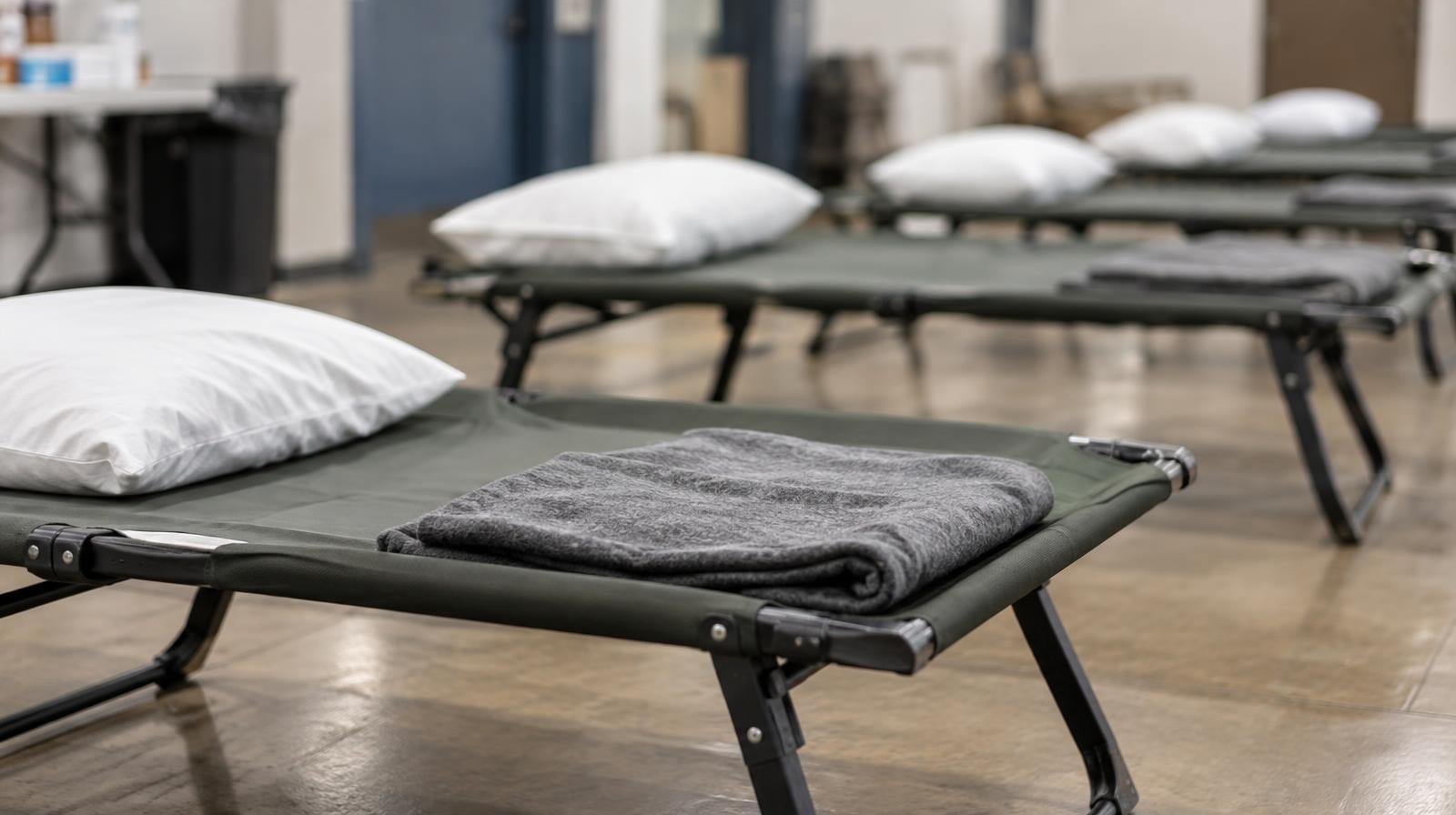
Cole pointed to seven fully affordable housing projects in the pipeline along East Colorado Boulevard, representing about 1,000 new units. He also called for expanding year-round shelter capacity through multiple smaller facilities rather than one large shelter.
The councilmember has pushed the concept of "functional zero," a framework in which street homelessness becomes rare, brief and non-recurring. In a Sept. 22 statement, Cole said ending street homelessness in Pasadena is both possible and urgently necessary, though he called the problem "hellishly complicated" on social, economic and political fronts.
Hill said Union Station's permanent supportive housing programs retain more than 97% of residents after one year. But she warned that adding shelter beds alone will not work unless people can move into permanent housing. Union Station's 45-bed Adult Center on Raymond Avenue was intended as temporary shelter but now houses some people for years because they have nowhere affordable to go.
Cole noted that Pasadena is one of only three cities in Los Angeles County with its own federally recognized Continuum of Care (CoC) for homelessness services. He said the CoC's governing body has become largely inactive and should be revitalized to coordinate businesses, faith communities and residents.
The City Council unanimously designated a year-round shelter and transitional housing among its top five budget priorities in December and set aside $2 million for the effort, according to Pasadena Now. Pasadena's specialized homelessness response teams operate only during weekday daytime hours, Cole said, leaving police to handle situations involving people who have not broken any law.