Pasadena Water and Power has locked in enough clean energy to cover 94% of the city's annual electricity needs, putting the municipal utility six percentage points from its 2030 carbon-free deadline with three and a half years still on the clock.
The milestone comes from PWP's first formal progress report on its Optimized Strategic Plan, released Monday, July 27. The report is scheduled for review by the Municipal Services Committee on Wednesday, July 29.
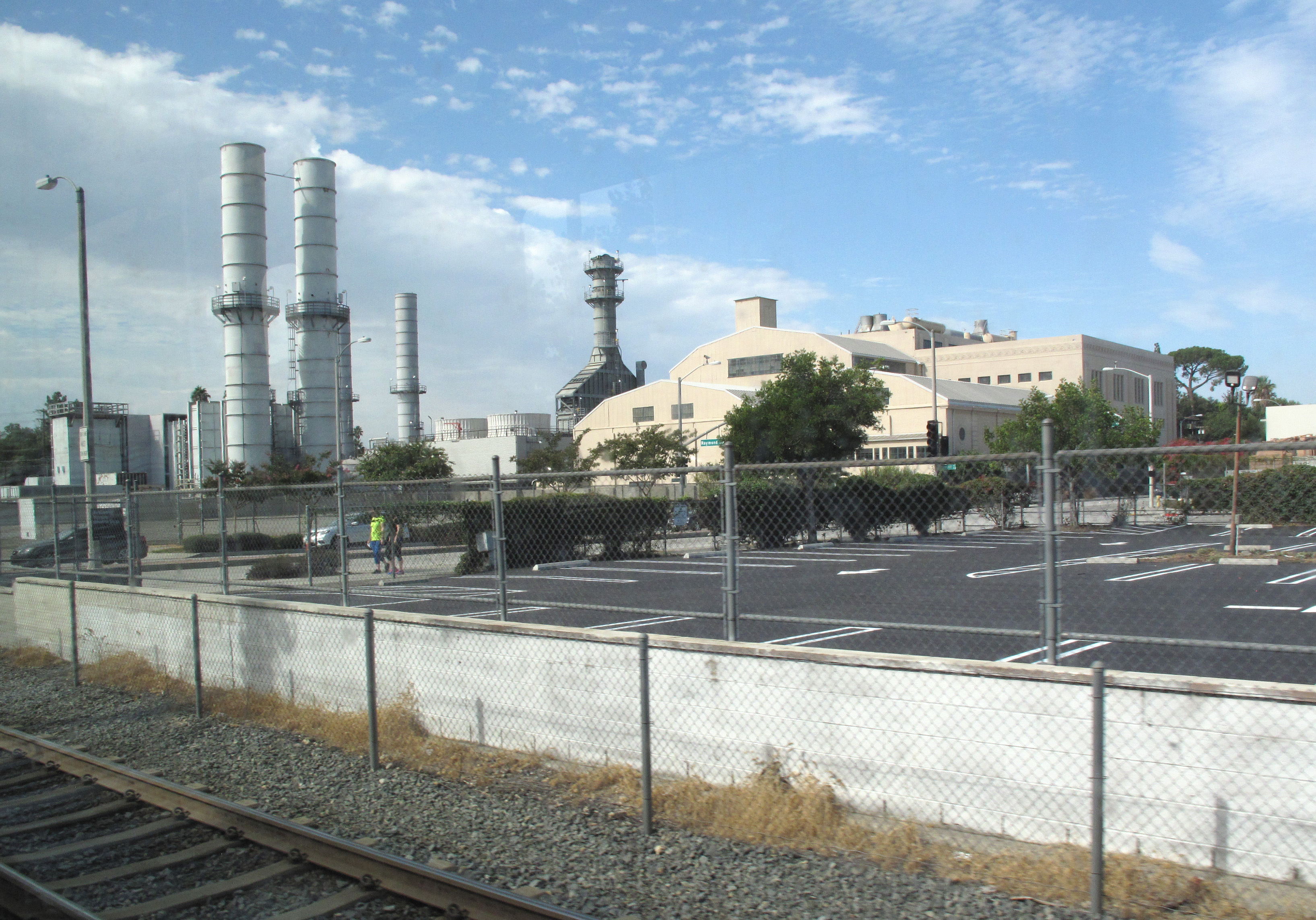
The numbers are substantial. PWP has signed power purchase agreements for more than 200 megawatts of new carbon-free generation and 50 megawatts of battery storage. Construction on a 25-megawatt battery energy storage system at the Glenarm Power Plant is set to begin in August, with PWP projecting the facility will come online by June 2027.
The progress report also tracks a $90 million, five-year capital investment in municipally owned solar installations across 27 city facilities. PWP released a Request for Proposals on July 23 for the first phase of 13 sites, with construction targeted for completion by June 2028. PWP plans to begin a second procurement covering 14 additional sites in October, targeting completion by June 2029.
"Pasadena has to lead by example," Municipal Services Committee Chair Justin Jones, the District 3 councilmember, said in a statement accompanying the solar program update. "If we're going to hit our 2030 carbon-free targets, we have to put our own municipal assets to work first, turning our city rooftops from policy into power."
The first-phase sites include the Lamanda Park, San Rafael, Allendale and Linda Vista branch libraries, along with the City Maintenance Yards. Together they represent about 0.68 megawatts toward a long-term goal of 20 megawatts of city-owned solar generation.
Separately, PWP received a $1.7 million federal award to install solar panels, battery storage and electric vehicle fast chargers at the Pasadena Central Library, creating what the progress report calls a municipal microgrid demonstration project.
On the residential side, customers added 1.14 megawatts of new rooftop solar during the first half of 2026, bringing the city's total installed solar capacity to 33.6 megawatts. PWP offers rebates of up to $1 per watt for solar installations and up to $550 per kilowatt-hour for battery storage for income-qualified or medically vulnerable customers.
The Optimized Strategic Plan implements Resolution 9977, which the City Council adopted unanimously on January 30, 2023, committing Pasadena to 100% carbon-free electricity by the end of 2030. That target is 15 years ahead of California's statewide 2045 deadline. PWP General Manager David Reyes called the plan "a defining moment for Pasadena's energy future" when the council approved the OSP on December 15, 2025.
PWP serves more than 65,000 electric customers in Pasadena.
The Municipal Services Committee will review the full progress report on Wednesday, July 29. The committee is not being asked to take action, and meeting details are available at cityofpasadena.net.