
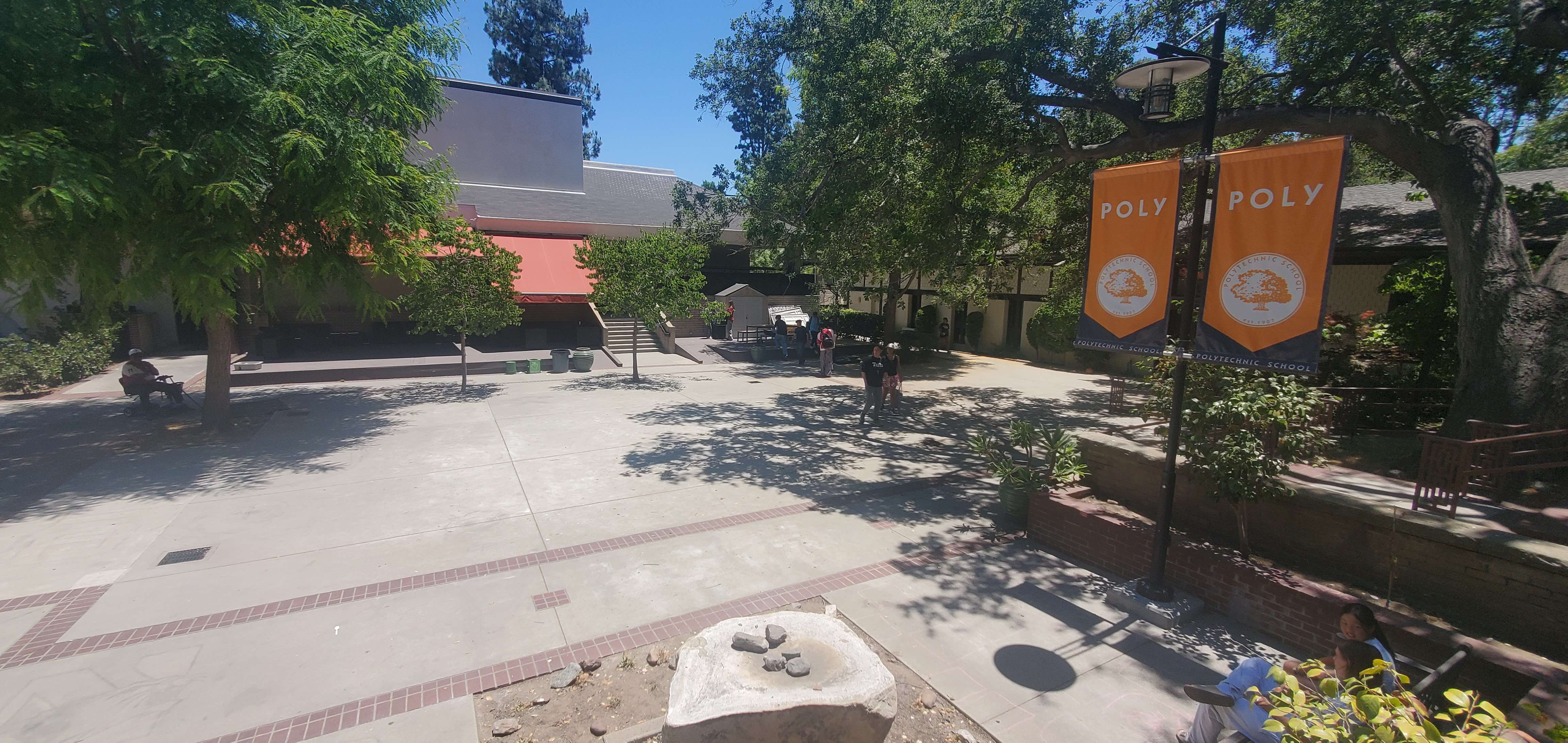
Bowe Lubin watched classmates use generative AI to cheat on assignments and teachers at his school ban the technology in response. The Polytechnic School senior decided to build a third option.
Historia, the free research tool Lubin created, searches nine public archives at once, including the Library of Congress, the National Archives, the Smithsonian and the Internet Archive. It returns real catalog records with working links. It will not write a single paragraph of a paper.
That restriction is enforced at the server level, not by a suggestion in a prompt, according to Historia's website. Requests to write an essay, a thesis or a paragraph of argument are blocked before any language model runs. The output format has no field that can hold essay text.
Lubin said he was frustrated because he saw potential in AI even as it was being misused. He told Colorado Boulevard that hallucinations pushed him over the edge: "I thought it was kind of ridiculous how it will give you fake quotes and almost make up history."
He said he began building the tool about a year and a half ago, using skills from his AP Computer Science A class and some help from generative AI coding tools such as Claude Code. He serves as chief executive officer of the nonprofit project. Jonathan Zhang, a student at St. Albans School in Washington, D.C., joined as chief financial officer and chief marketing officer in July.
Historia uses a language model to plan searches and rank results, but the model never supplies a record itself, according to the site's trust page. Quotes displayed to users appear only when matched against an archive's own text. Every exported bibliography includes a receipt so a teacher or student can re-check each source against the live archive.
The tool requires no student accounts and no sign-in. Sources a student saves are stored in that student's own browser, not on Historia's servers.
Historia operates as a nonprofit program fiscally sponsored by The Hack Foundation, the 501(c)(3) behind Hack Club, a global network of high school coding clubs. The tool is free at Historia.today.
Lubin said he hopes to bring Historia to educators and schools across the country and may eventually offer a paid school subscription to sustain it. The site already includes a dedicated page for National History Day 2027, positioning the tool for student competitors in that program.