Two bills authored by Pasadena Assemblymember John Harabedian that would create the nation's first scientific testing standards for homes contaminated by wildfire smoke passed the California Legislature on Tuesday, Sept. 1.
Gov. Gavin Newsom has until Sept. 30 to sign Assembly Bills 1642 and 1795 into law.
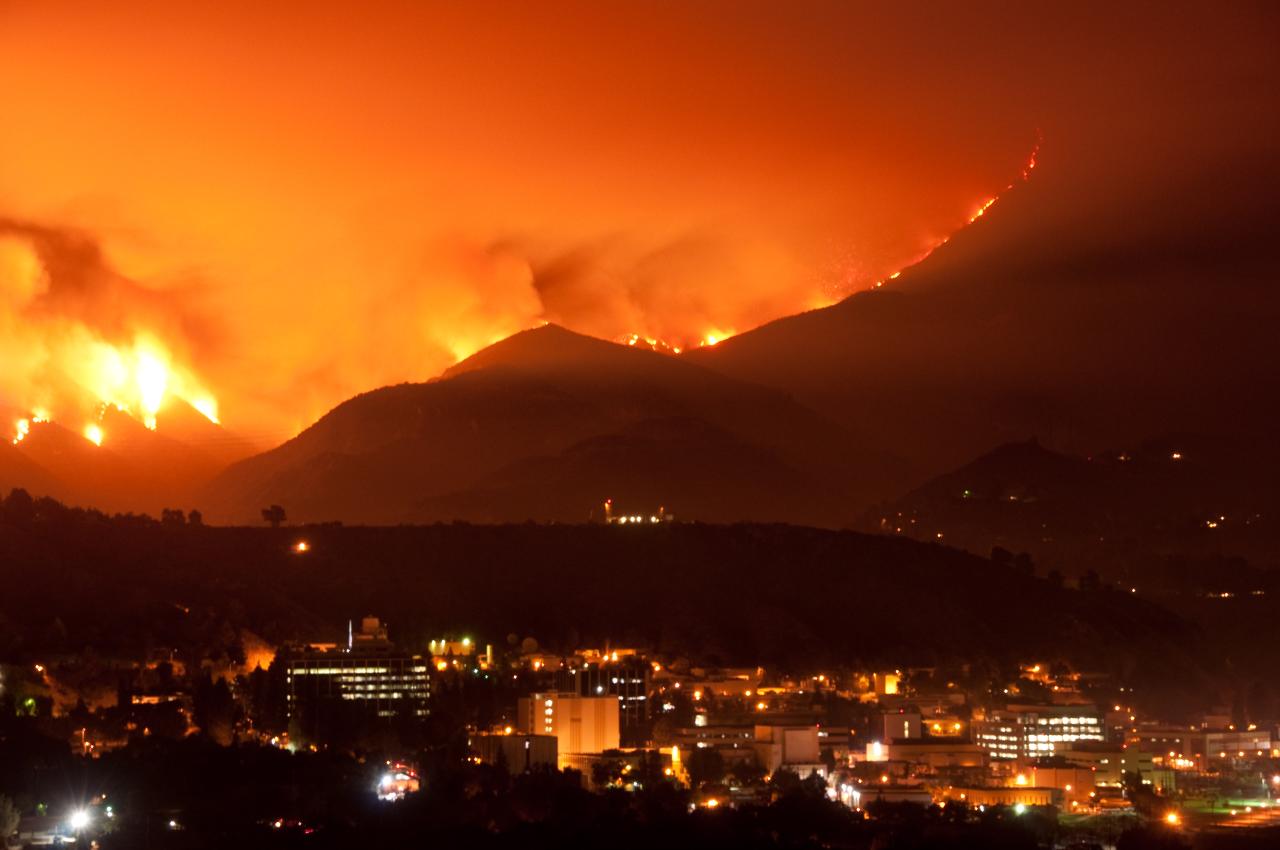
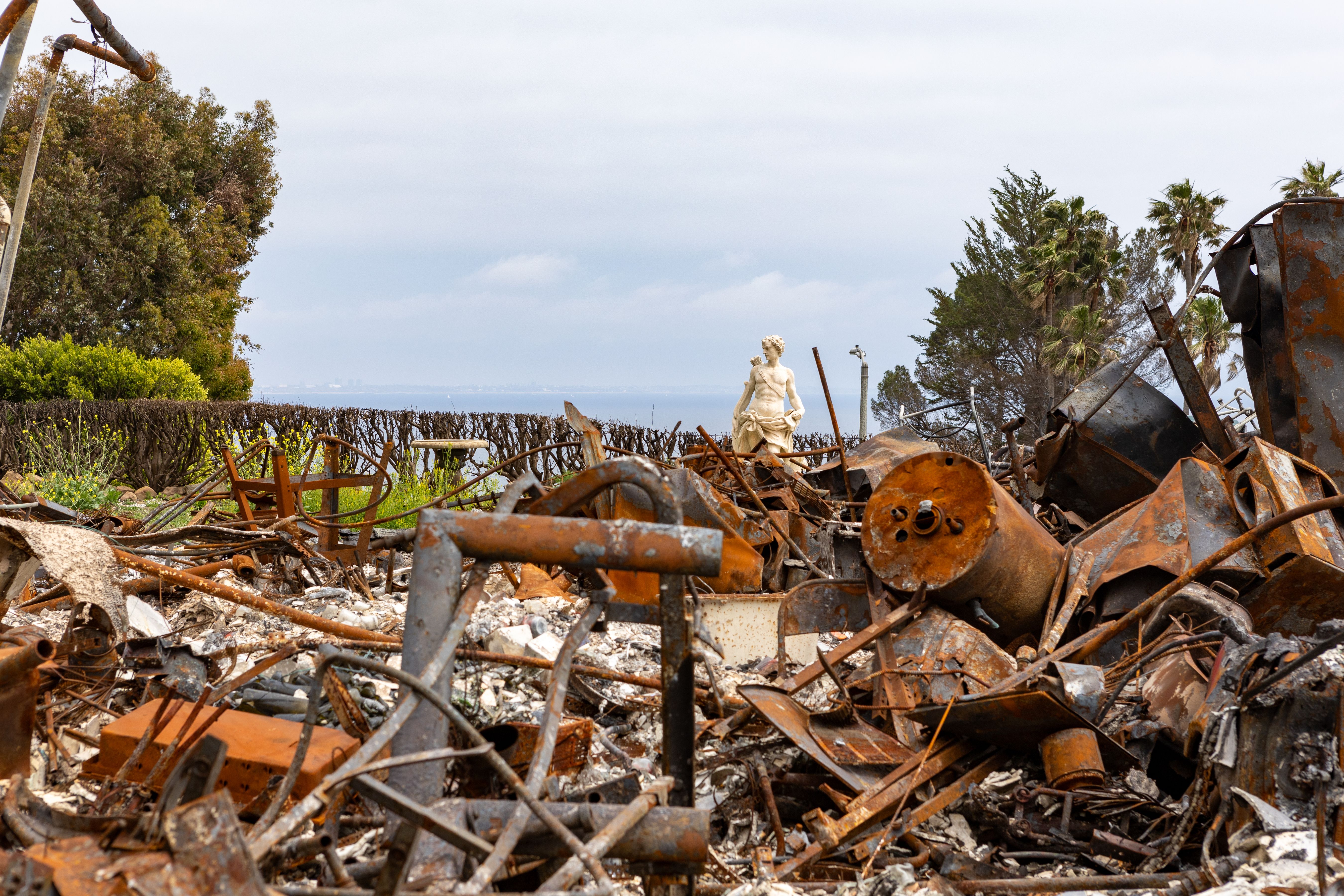
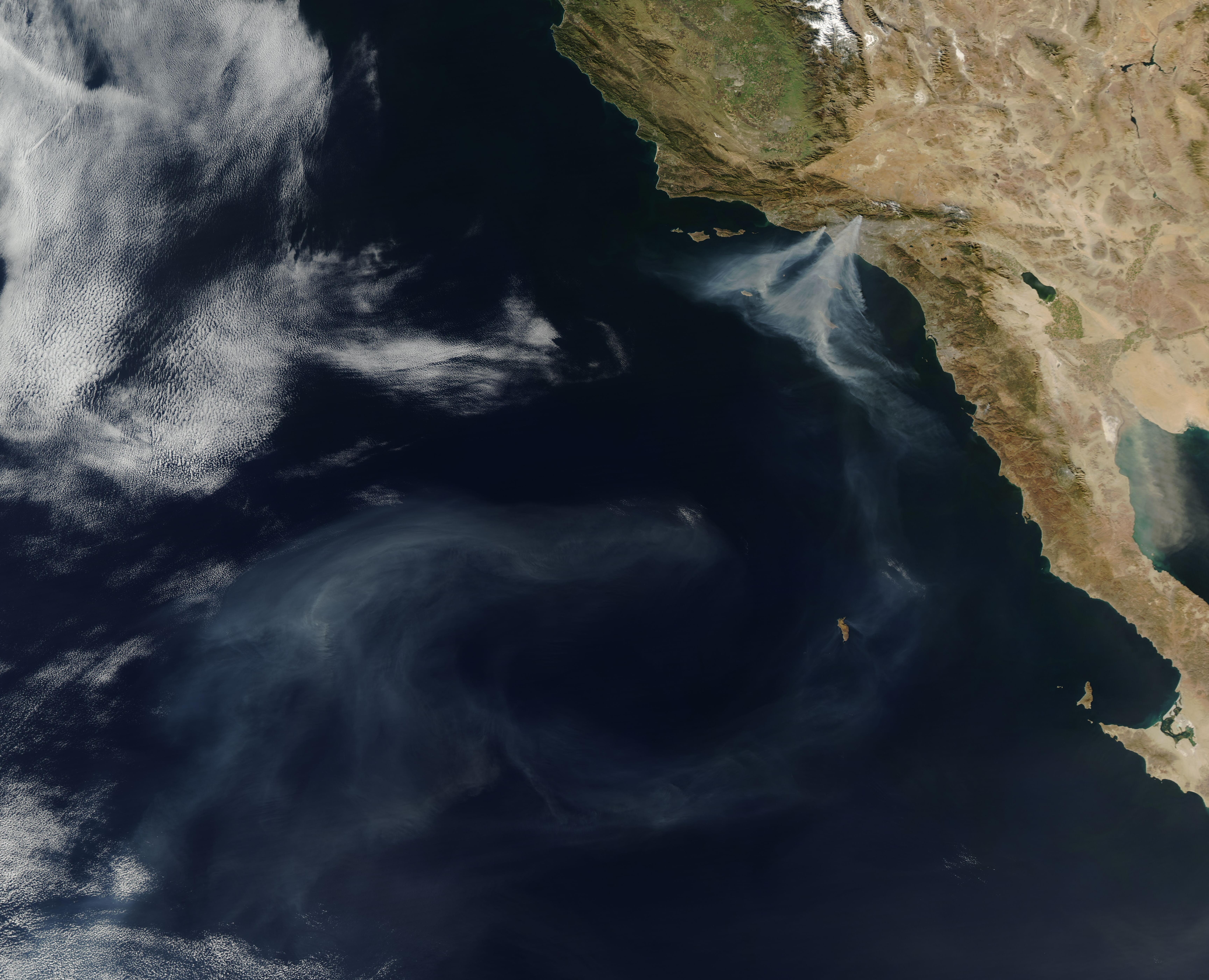
The bills grew out of the Eaton Fire, which killed 19 people and destroyed more than 9,400 homes and businesses in Altadena in January 2025. More than a year and a half later, 40% of wildfire survivors with standing but damaged homes remained displaced as of April, according to a survey by the nonprofit Department of Angels.
AB 1642, the Wildfire Environmental Safety and Testing Act, would direct the Department of Toxic Substances Control (DTSC) and the Office of Environmental Health Hazard Assessment to adopt lead and asbestos testing and remediation standards by Dec. 31, 2028. Guidance on other contaminants, including heavy metals, would follow by Dec. 31, 2029, LAist reported. Until those standards take effect, existing federal lead-in-dust and asbestos rules would apply inside wildfire impact zones.
A separate lawmaker, Assemblymember Mike Gipson (D-Gardena), authored AB 1795, the Smoke Damage Recovery Act. It would require insurers to follow the AB 1642 standards for properties in wildfire zones and to keep paying policyholders' additional living expenses until a home is restored to pre-fire condition and cleared for occupancy.
AB 1642 takes effect only if AB 1795 is enacted by Jan. 1, 2027.
The legislation was sponsored by Eaton Fire Residents United (EFRU), an Altadena-based group with about 5,000 members that formed after the fire. Harabedian approached the group early in 2026 for help writing the bill after six months of negotiations, the Pasadena Star News reported.
Dawn Fanning, EFRU's managing director, said she likely will not be able to return to her own home until 2027 because of ongoing disputes with her insurance company.
"The night of the fire was traumatic," Fanning told LAist. "But what I and thousands of others have had to go through since then is more traumatic — at least for me. Being constantly gaslit and delayed and denied, it's just an absolute nightmare."
A group of Eaton Fire residents previously released testing results showing many homes still tested positive for lead and asbestos even after professional remediation. François Tissot, a professor of geochemistry at the California Institute of Technology in Pasadena and an Eaton Fire survivor, called the standing homes "a curse in disguise" in an Aug. 31 statement reported by the Pasadena Star News, saying data showed they were "pervasively contaminated with asbestos, lead and other toxic heavy metals released by the fire."
The bills also establish advisory guidance for schools reopening after a wildfire and offer protections for renters near burn zones who have felt pressured by landlords to return to homes they believed were not adequately cleaned.
Insurance industry groups, the California Association of Realtors and San Diego Gas and Electric opposed the legislation. In a joint letter to lawmakers, insurance groups argued the bills undercut a Smoke Claims and Remediation Task Force that the California Department of Insurance (CDI) convened in the summer of 2025.
Harabedian countered that the current system is draining survivors' resources. He told LAist that millions, "if not billions," of dollars have been spent on insurance disputes and that clear standards could stabilize costs for both survivors and insurers.
Newsom has not signaled his position.