A lawsuit challenging Measure ER has complicated the funding timeline. Los Angeles County announced Sept. 30 that the tax would take effect as scheduled, but its revenue must remain in escrow until the litigation is resolved.
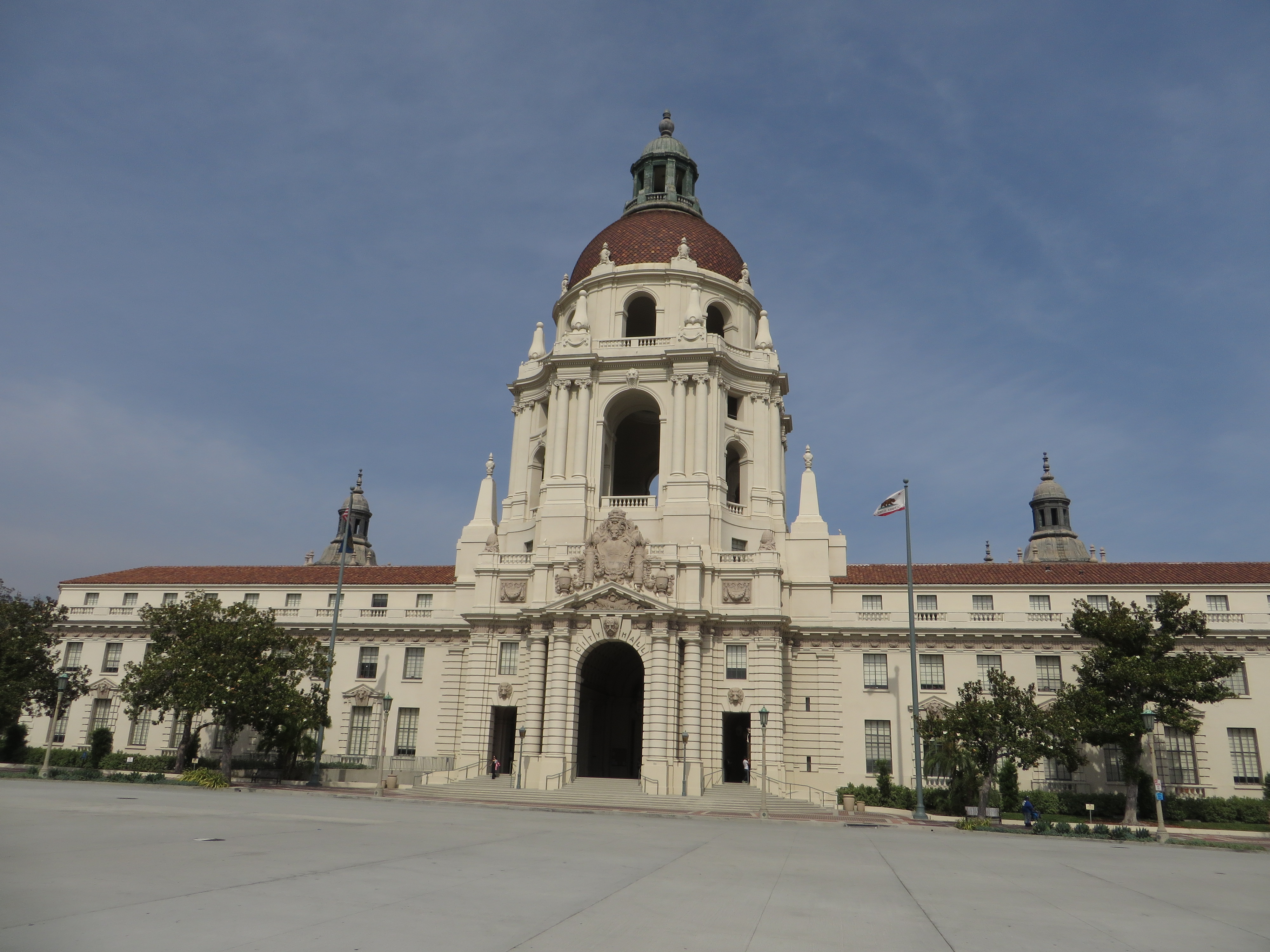
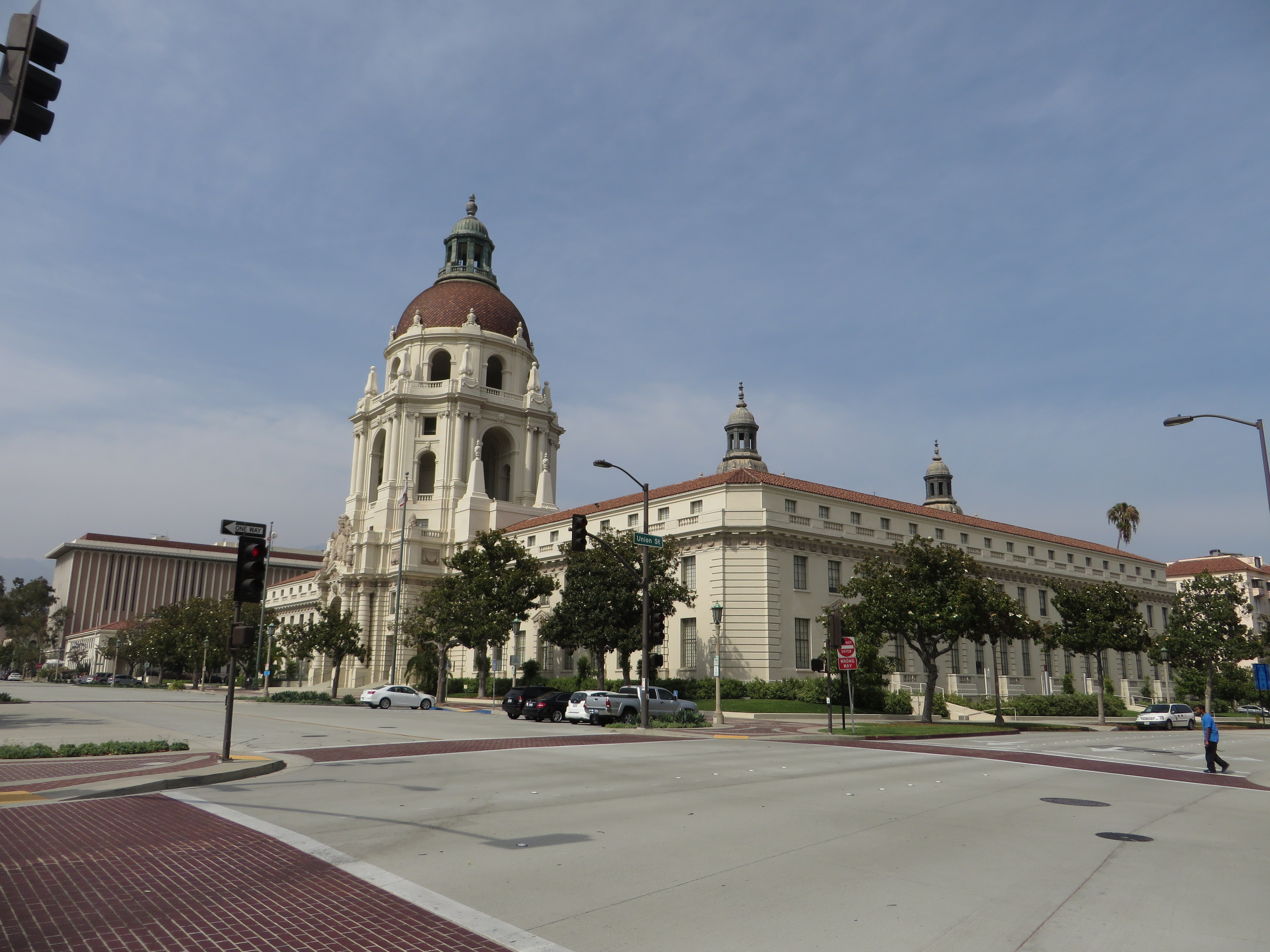
The meeting begins at 3:30 p.m. in the Council Chamber at City Hall, 100 N. Garfield Ave., according to the city's posted agenda. Because it is a special session, public comment is limited to items on the agenda. Residents can also watch live on cable Channel 3 or stream it online through Pasadena Media.
The first agenda item is an update on the county's homelessness and housing efforts. That includes what the agenda calls "opportunities for collaboration and coordination" with the council's Committee on Homelessness, Housing and Planning, plus a discussion of joint encampment mitigation between the county and the city. The agenda does not name specific encampment locations or propose particular enforcement measures, Pasadena Now reported.
Pasadena runs its own Continuum of Care for federal homeless funding, separate from the broader Los Angeles regional body, according to Altadena Now. That independence makes city-county coordination a distinct negotiation.
The second agenda item concerns Measure ER, formally the Essential Services Restoration Act. It is a countywide half-cent sales tax voters approved on June 2 with 50.64% of the vote.
The tax took effect Oct. 1, pushing Pasadena's combined sales tax rate to 11%, up from 10.5%, as Pasadena Now reported. It runs for five years, until Oct. 1, 2031. The county estimates it will raise about $1.08 billion in each full year, according to the Daily News.
The county's spending plan sets aside 1% of Measure ER revenue for Pasadena and Long Beach, the only two cities in the county that run their own public health departments. City staff estimated that 1% share would total about $10 million a year for the two cities combined. Pasadena's portion would be roughly $1 million, Pasadena Now reported.
Mayor Victor Gordo has pushed for a larger share. In a July 20 letter to the Board of Supervisors, Gordo asked for a review of the 1% allocation. The two cities together generate about 6.2% of the tax's revenue, according to city staff figures cited by Pasadena Now.
On Sept. 1, Supervisors Barger and Janice Hahn proposed revising how the allocation would be split between the two cities, using population rather than historical spending, Pasadena Now reported. The outcome of that proposal is not confirmed in available records.
Barger was the lone vote against placing Measure ER on the ballot. After it passed, she said in a statement that she opposed it because of the added burden on taxpayers but would "respect the will of the voters," Pasadena Now reported.
No Measure ER revenue has reached Pasadena yet. The Daily News reported that distributions are not expected until January 2027. The city's recommended budget for the fiscal year that began July 1 did not assume any Measure ER revenue, Pasadena Now reported.
The Pasadena Public Health Department has served the city since 1892. It started the fiscal year that began July 1 with about 43% fewer staff than at its 2024 peak after a two-year run of expiring grants, its director told the council's Public Safety Committee, according to Pasadena Now.
The Nov. 9 agenda does not specify whether the discussion will produce a revised allocation or any formal agreement, Pasadena Now reported. Residents can reach the City Clerk's Office at (626) 744-4124 for more information.