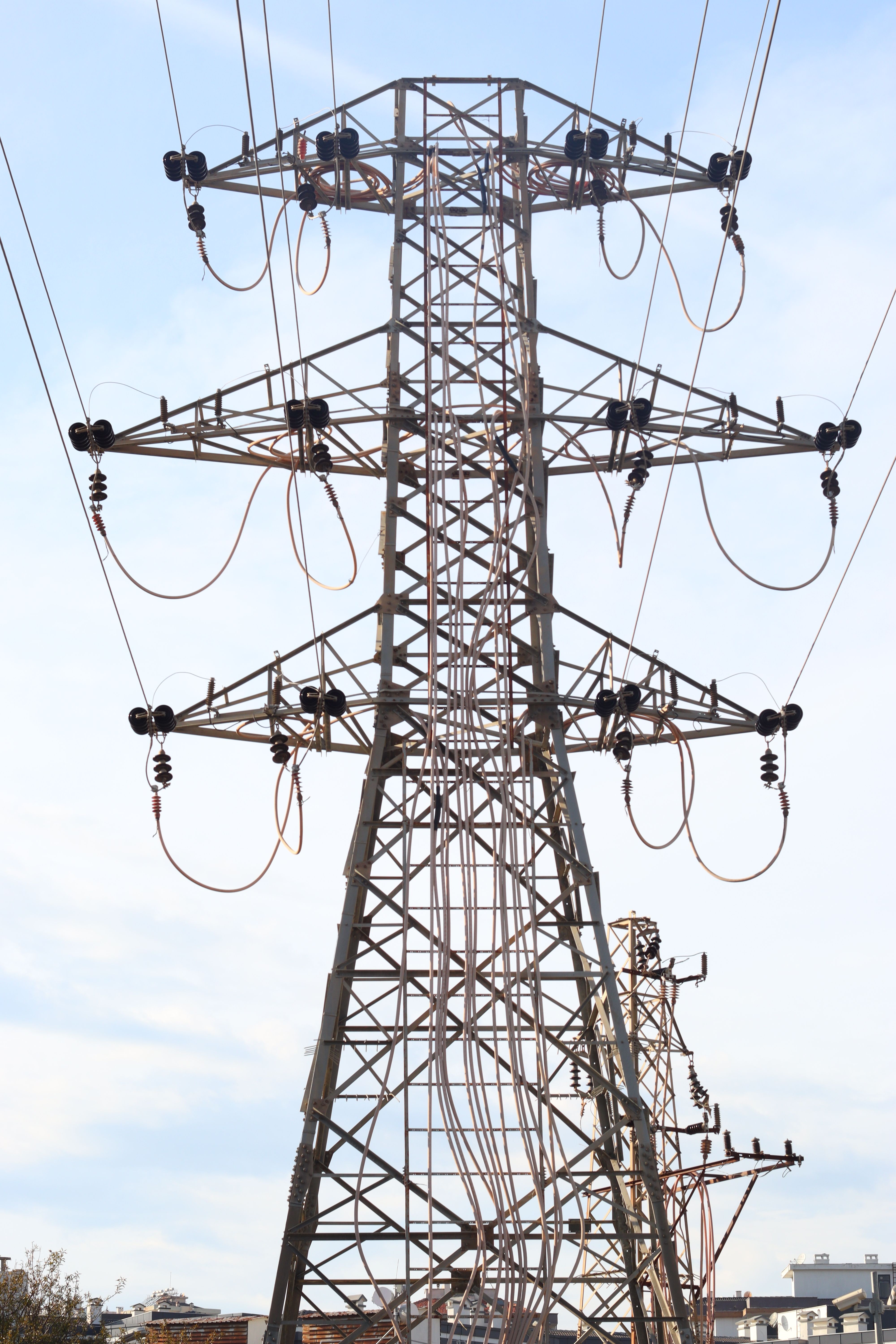
An out-of-service Southern California Edison transmission tower that hadn't carried power in more than 50 years caused the Eaton Fire, the Los Angeles County Fire Department concluded in an official report released Tuesday, Aug. 4. The finding gives Pasadena's active lawsuit against SCE its strongest legal footing yet.
The joint LACoFD and Cal Fire investigation determined that two electrical arcing events on Tower 208, which sat on the dormant Mesa-Sylmar line above Eaton Wash, ejected hot metal particles into dry vegetation on the evening of Jan. 7, 2025. Video evidence showed the fuel bed igniting approximately 12 seconds after burning material fell from the tower.
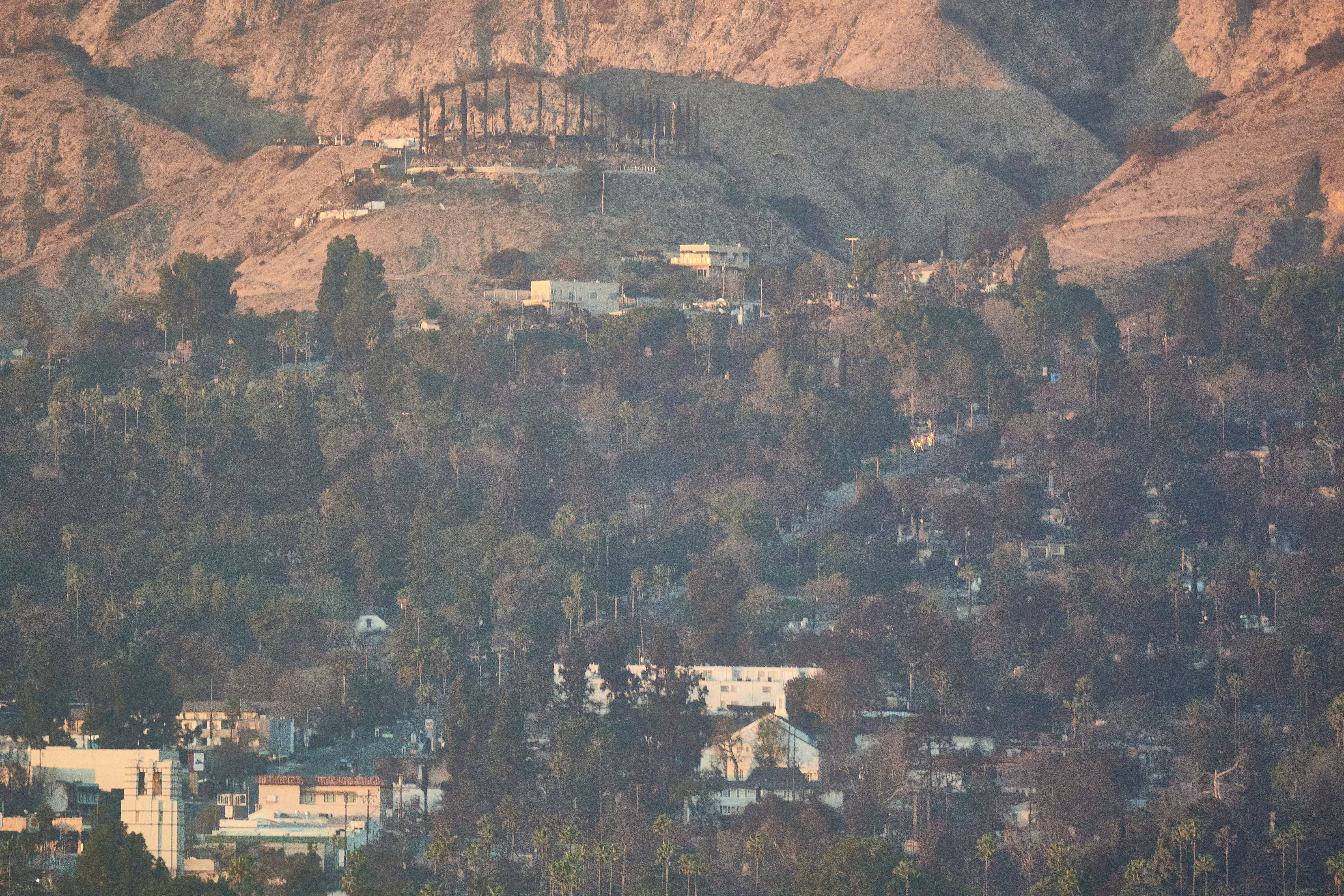
The fire killed 19 people. It destroyed or damaged more than 9,000 homes and businesses across Altadena, Pasadena, Sierra Madre and La Cañada Flintridge, burned 14,021 acres and took until Jan. 31, 2025, to fully contain.
The report pointedly cites the California Public Utilities Code, noting SCE is required to maintain and operate its electrical lines and equipment in a manner that minimizes the risk of catastrophic wildfire. That statutory framing now underpins roughly 1,000 consolidated civil cases in Los Angeles County Superior Court, the LA County District Attorney's ongoing criminal review of Edison, and the city of Pasadena's own lawsuit against the utility.
Pasadena's legal stakes
Pasadena sued Edison over damaged public infrastructure. Edison fired back with cross-complaints filed Jan. 16, 2026, naming Pasadena Water and Power, Los Angeles County, five other water agencies and Southern California Gas Co. as cross-defendants, alleging their failures worsened the fire's toll. Edison has also claimed PWP did not provide enough water as the fire spread, according to the Guardian.
Pasadena spokeswoman Lisa Derderian rejected those claims in July, saying "evidence from the lawsuit has shown Edison's equipment to be the cause" of the fire, according to Pasadena Now. The Pasadena Unified School District has filed its own lawsuit against SCE as well.
Tuesday's official cause determination strengthens the city's position and weakens Edison's cross-complaint theory that water agencies share blame.
What investigators found
The 18-month investigation, conducted alongside retained electrical and metallurgical experts, used the National Wildfire Coordinating Group's methodology. Among the evidence: a 911 call from a Pasadena resident who spotted flames across the canyon from his rear window and described a fire roughly ten feet square at the base of a high-voltage tower.
Edison CEO Pedro Pizarro acknowledged in early 2025 that a leading theory was induction, in which the magnetic field of nearby energized lines induces current in an idle, unconnected line. Tower 208 was dismantled in May 2025 and flown off the hillside by helicopter for laboratory examination.
Edison's response
SCE spokesman David Eisenhauer said Tuesday that the company is reviewing the report. "We have taken our potential role in the start of this fire seriously from the beginning," Eisenhauer said, adding that SCE "believes that it is likely that its equipment was associated with the ignition of the Eaton Fire."
The utility's voluntary Wildfire Recovery Compensation Program has paid more than $314 million to fire victims as of July 2026. The program closes to new claims Nov. 30, 2026; participants who accept offers waive their right to sue.
What comes next
The reports were released with significant redactions, attributed in part to the District Attorney's criminal review. Edison disclosed the probe in its February 2026 securities filings while stating it is not aware of any basis for felony liability.
LA County Fire Chief Anthony C. Marrone said the department's focus remains on helping residents rebuild and ensuring "lessons learned drive meaningful and impactful change in memory of the 19 lives lost."
Nearly 1,000 civil cases are consolidated before Judge Laura Seigle, with the first bellwether trial scheduled to begin Jan. 25, 2027. The U.S. Department of Justice sued Edison in September 2025, seeking more than $40 million for fire suppression costs.