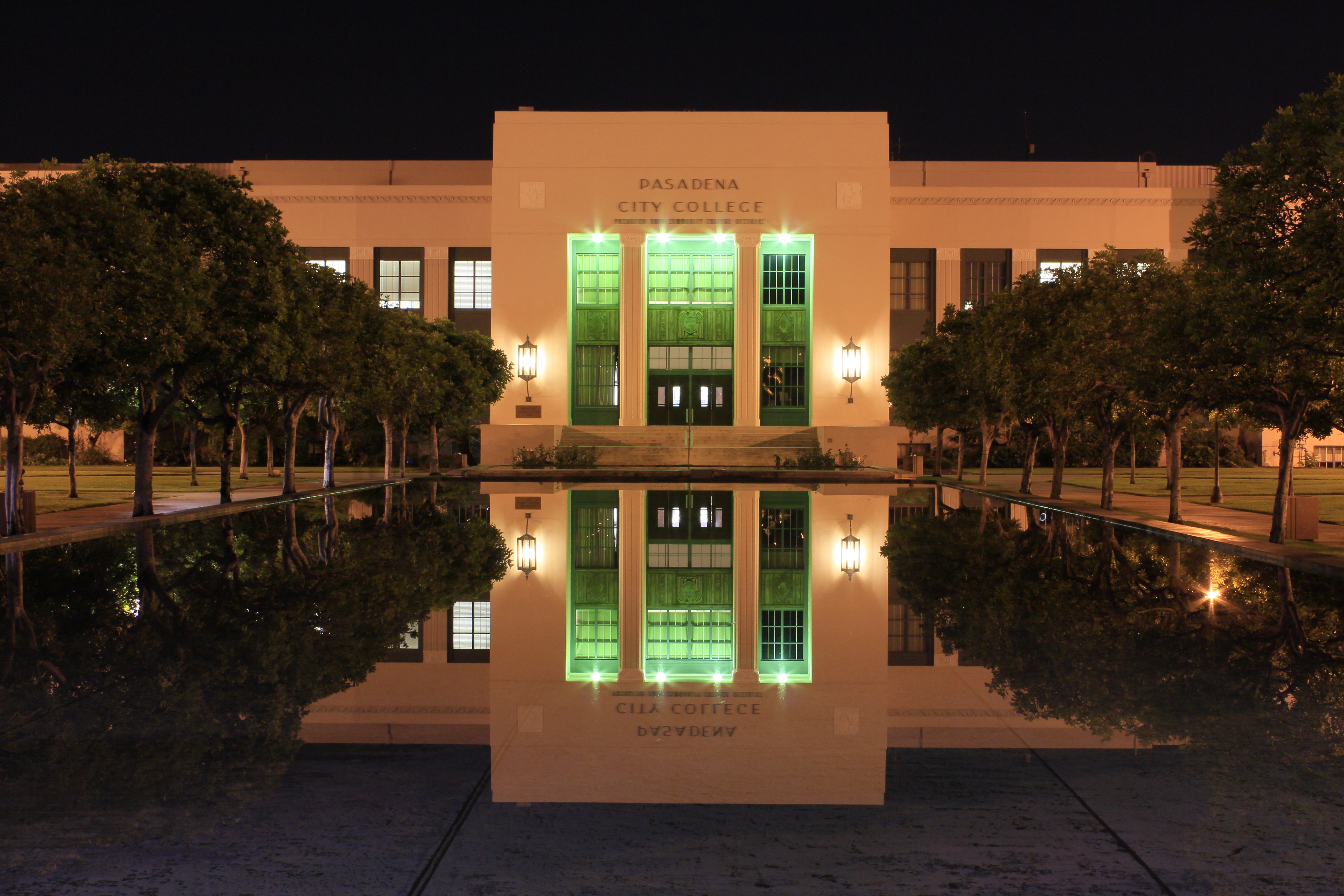
A new California law signed Friday, Sept. 18, opens a path for Pasadena City College to offer bachelor's degrees for the first time.
Gov. Gavin Newsom signed Senate Bill 960 and Assembly Bill 2694, letting community college districts statewide add between two and 12 bachelor's degree programs starting Jan. 1, 2028. The Los Angeles Times reported the signing marks the biggest change in decades to degree-granting authority at California's public college systems.
For PCC's more than 22,000 students, the law could mean earning a four-year degree on Colorado Boulevard instead of commuting to a California State University (CSU) campus or competing for limited transfer spots.
How the tiers work
The two bills create a five-tier system that ranks each community college district by the share of students who complete a degree, earn a certificate or transfer to a four-year university within three years. Top-tier districts can offer up to 10 new programs, with higher caps for multi-campus districts and those with 75,000 or more full-time equivalent students.
Districts at the bottom are capped at two.
PCC, a three-time Aspen Institute Top Ten Community College that leads the state in transfer rates to UC and CSU campuses, appears well positioned. But the Chancellor's Office has not published the tier assignments, so PCC's exact standing is unknown.
Each district may submit no more than three applications per academic year. Programs must document an unmet workforce need and cannot displace seats for associate degrees, certificates or noncredit courses.
What changed from the old rules
The new law replaces a 2021 framework, Assembly Bill 927, that allowed only 30 new bachelor's programs statewide per year and barred any duplication of CSU or University of California (UC) degrees regardless of location. Now, duplication restrictions apply only to CSU programs in the same local service area. Under the old rules, a CSU campus in a different region could block a community college degree.
A community college can also offer a degree similar to a nearby CSU program if that campus has had a transfer acceptance rate below 75% for three consecutive years. Duplication of UC programs remains off-limits without a written agreement.
Sen. Christopher Cabaldon (D-West Sacramento), who authored SB 960, said in a Sept. 21 statement that colleges "most successful at meeting the needs of their current students will each be authorized to launch as many as a dozen specialized bachelor's degrees," as reported by the Sacramento Bee.
Statewide, 49 colleges currently offer or will soon offer 66 bachelor's degrees. Cabaldon's office estimated the new law authorizes nearly 700 programs across all districts.
Not everyone is celebrating
The tiered system drew sharp criticism from community college leaders. California Community Colleges Chancellor Sonya Christian wrote in an Aug. 29 opposition letter that the amendments could leave the state with a framework that creates more barriers than the current one, according to EdSource.
After Newsom signed the bills, Christian struck a more conciliatory tone, saying the system's colleges would work with the Legislature and the governor's administration on adjustments to the law.
Newsom had vetoed three previous bills since 2024 that would have expanded community college bachelor's degrees. His administration helped craft the tiered amendments. Assemblymember David Alvarez (D-San Diego), who co-authored AB 2694, told EdSource the administration considered legislation without a per-district cap a nonstarter.
CSU dropped its opposition after the tier amendments were added.
What's next for PCC
PCC Superintendent/President José A. Gómez and the Pasadena Area Community College District Board of Trustees have not publicly commented on the new law. Community college leaders plan to push for further legislation in 2027 to adjust the tiered system, EdSource reported. The law takes effect Jan. 1, 2028.