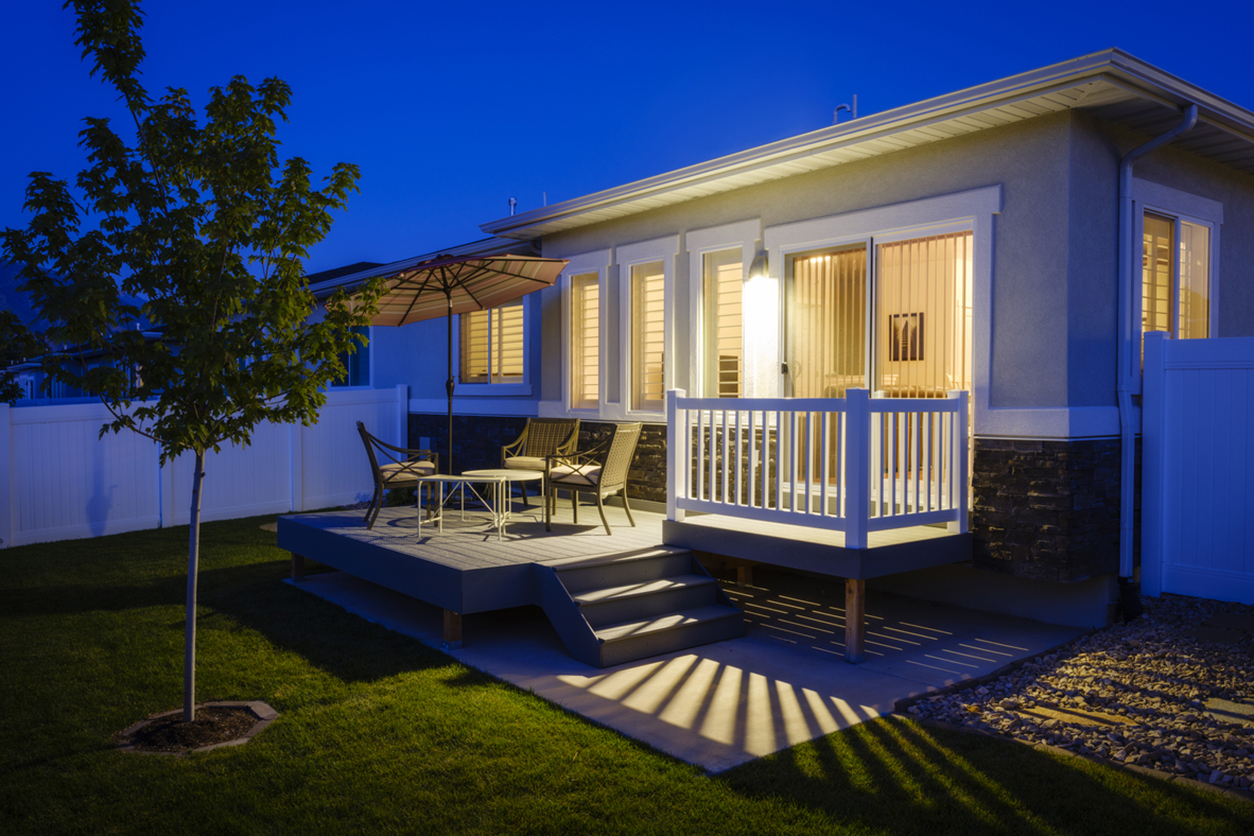
Los Angeles County recorded a record 10,230 completed accessory dwelling units, or ADUs, in 2025, continuing a rapid increase in backyard homes and other secondary housing units even as researchers say the region's housing shortage remains far larger than what ADUs alone can address.
ADUs accounted for about 37% of all new housing units certified for occupancy in Los Angeles County last year, according to the USC Lusk Center for Real Estate's second annual housing report. The report, released Tuesday, Aug. 11, found that ADUs made up roughly 10% of new housing completions in 2018.
"Even if the trend is moving in the right direction, the scale of the gap between where we are and where we need to be in terms of the regional goals is so vast that the ADU impact is ultimately a drop in the bucket," said Jared Schachner, research director of the report and a research assistant professor at USC's Price School of Public Policy.
The findings come as Pasadena works to expand its housing supply through several projects and changes to its housing regulations.
Pasadena has a state-mandated Regional Housing Needs Allocation of approximately 9,429 housing units for the 2021–2029 planning period. The allocation represents the number of units the city must plan and zone for through its Housing Element, rather than a requirement that the city itself directly build that many homes.
Across the Southern California region, jurisdictions have been assigned a combined RHNA goal of about 1.34 million new housing units during the current planning cycle.
Pasadena's housing pipeline
Six proposed affordable housing developments along East Colorado Boulevard would add roughly 760 apartments, with many of the units reserved for lower-income households. Residents raised concerns about traffic, parking and density during a Housing and Planning Committee meeting Aug. 6.
One proposed project would include 151 units without on-site parking. State law allows certain qualifying affordable-housing developments near major transit to use reduced or eliminated parking requirements.
Mayor Victor Gordo told residents at the Aug. 6 meeting that state housing laws limit the city's ability to reject or impose certain requirements on qualifying housing projects.
Separately, the Pasadena Unified School District's proposed workforce housing project at the former Roosevelt School site at 315 N. Pasadena Ave. went before the city's Design Commission Aug. 12.
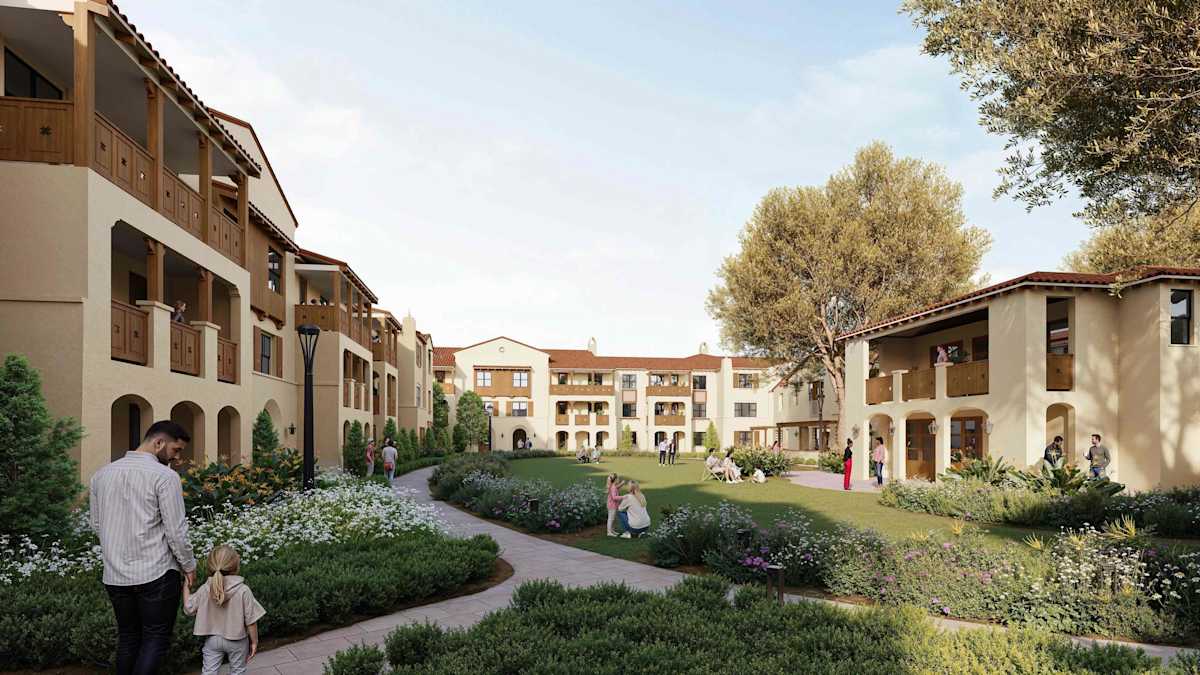
The project would include 110 below-market-rate rental units for PUSD employees, including units designated for lower-income households. Plans call for apartments, townhomes, a community center and on-site parking.
ADUs: fast but limited
The USC report found that ADUs can move through development more quickly than larger multifamily projects. In the city of Los Angeles, the typical ADU project takes about 18 months from permitting to completion, compared with roughly three years for projects containing five or more units.
Researchers also cautioned that newly built ADUs do not necessarily function like conventional rental apartments. Some are used to house relatives or for other personal purposes rather than being rented at market rates.
The report highlighted a rebuilt home in West Altadena that includes an ADU intended for a family member following the Eaton Fire, illustrating how ADUs can serve purposes beyond adding conventional rental housing.
The broader housing shortage remains significant. The USC report found that 57% of Los Angeles County renter households were rent-burdened in 2024, meaning they spent more than 30% of their income on housing.
About 19% of new rental units completed in 2025 were affordable to low-income households, according to the report, nearly twice the average share during the previous seven years.
What's next
Pasadena's Planning Commission is scheduled to continue consideration of housing code amendments, including changes to inclusionary housing requirements and density bonus regulations, at its next regular meeting Wednesday, Aug. 26, at 6:30 p.m. at the Permit Center Hearing Room, 175 N. Garfield Ave.
The proposed changes are part of Pasadena's broader effort to accommodate its state housing obligations while increasing opportunities for new housing across the city.