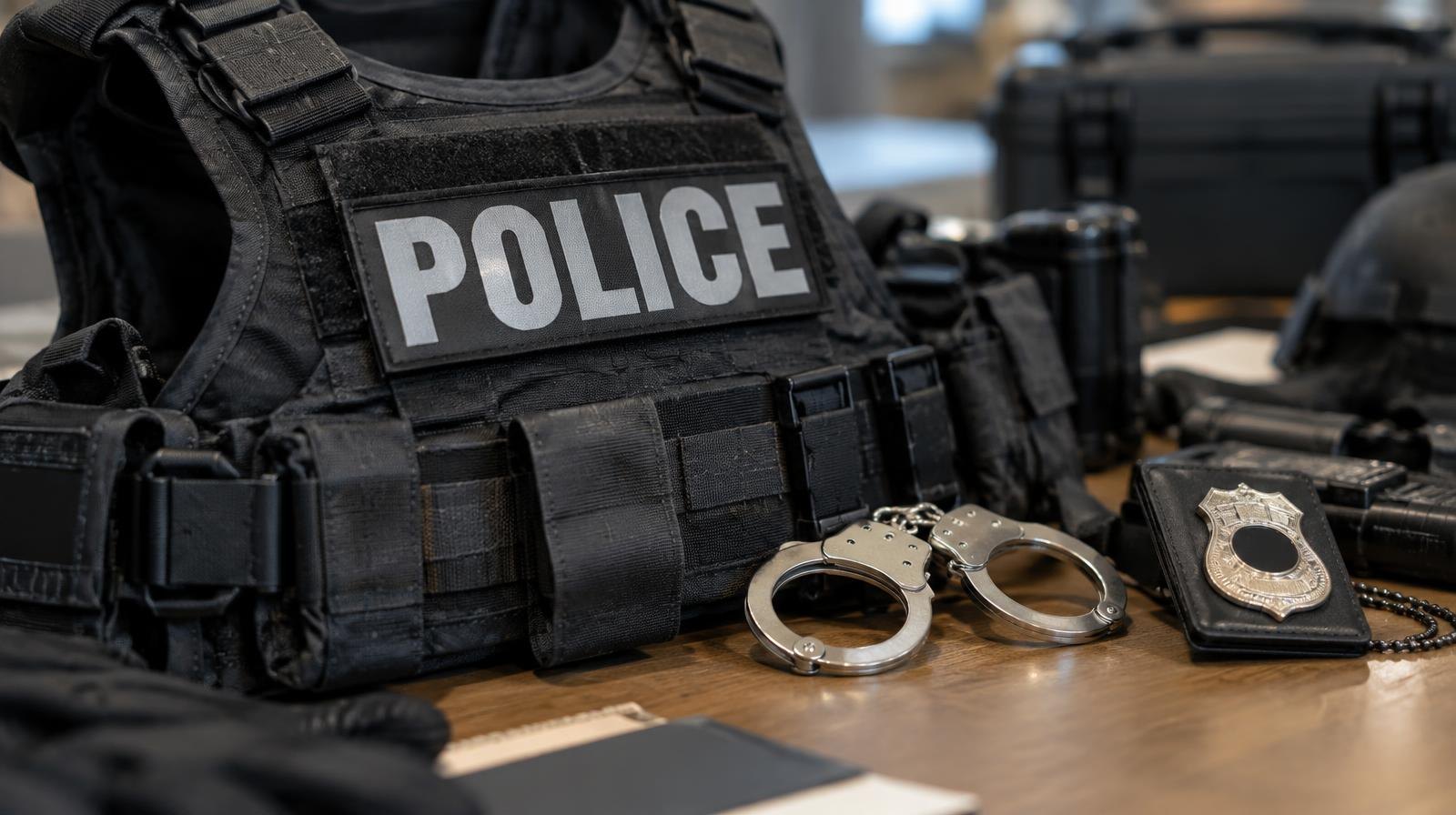
A federal SWAT team raided a home on Summit Avenue in Pasadena on Oct. 8. The raid was part of a multiagency operation that arrested 23 people accused of trafficking fentanyl, methamphetamine and other drugs in and around Skid Row.
The Pasadena property was linked to Manuel Courtney Vaughns, 52, one of 28 people charged in federal criminal complaints with drug distribution, according to the Los Angeles Times. The Pasadena Police Department also participated in the task force, Pasadena Weekly reported.
First Assistant U.S. Attorney Bill Essayli called the effort "Operation Save Skid Row" in a post on X. More than 300 officers from the FBI, Drug Enforcement Administration (DEA), LAPD, Bureau of Alcohol, Tobacco, Firearms and Explosives and other agencies took part. They obtained 28 arrest warrants and 44 search warrants across greater Los Angeles, according to the U.S. Attorney's Office.
Vaughns is described in a federal complaint as a known member of the Raymond Avenue Crips with prior arrests in Skid Row dating to 2019, the Times reported. Prosecutors allege he regularly sold drugs in Gladys Park in Skid Row.
During a July 30 surveillance operation, investigators watched Vaughns sit on a park bench and make roughly six to eight hand-to-hand drug sales over about 90 minutes, according to the complaint cited by the Times. After selling drugs to a source working for federal law enforcement, Vaughns was detained with $1,740 in his pockets.
The federal complaint says Vaughns lived in Pasadena, according to the Times, though charging documents list him as a West Covina resident. He allegedly maintained both the Summit Avenue home and a low-income housing unit on South San Pedro Street in Skid Row.
Investigators also found messages about drug trafficking and firearms on his cellphone, including references to devices capable of converting Glock pistols into fully automatic weapons, the Times reported. Federal authorities said Vaughns is a convicted felon barred from possessing guns or ammunition.
The broader operation targeted dealers who authorities say preyed on unhoused residents of Skid Row. According to federal court documents cited by the Pasadena Star-News, some dealers allegedly dressed as homeless residents or social workers to avoid detection. They used tents and makeshift structures to conceal sales and stored drugs in vehicles and nearby residences.
Essayli said at an Oct. 8 news conference that the dealers knew when Skid Row residents received public assistance payments, arriving "like clockwork" on those days.
"They targeted the homeless in Skid Row, kept them addicted on drugs like PCP, and took their public assistance money for payment," Essayli said.
LAPD Chief Jim McDonnell called the operation "the culmination of over six months of shared investigative work." He described the suspects as mid-level distributors affiliated with several street gangs.
Officers searched 20 residences, most outside downtown Los Angeles, along with several tents in Skid Row. They seized firearms, methamphetamine, cocaine, crack cocaine, pills, cash and luxury vehicles, according to the U.S. Attorney's Office.
Five of the 28 people charged remained fugitives as of Oct. 8.
All defendants are presumed innocent. If convicted, each faces a maximum sentence of 20 years in federal prison. Essayli warned that federal prosecutors would continue pursuing drug networks in the area.