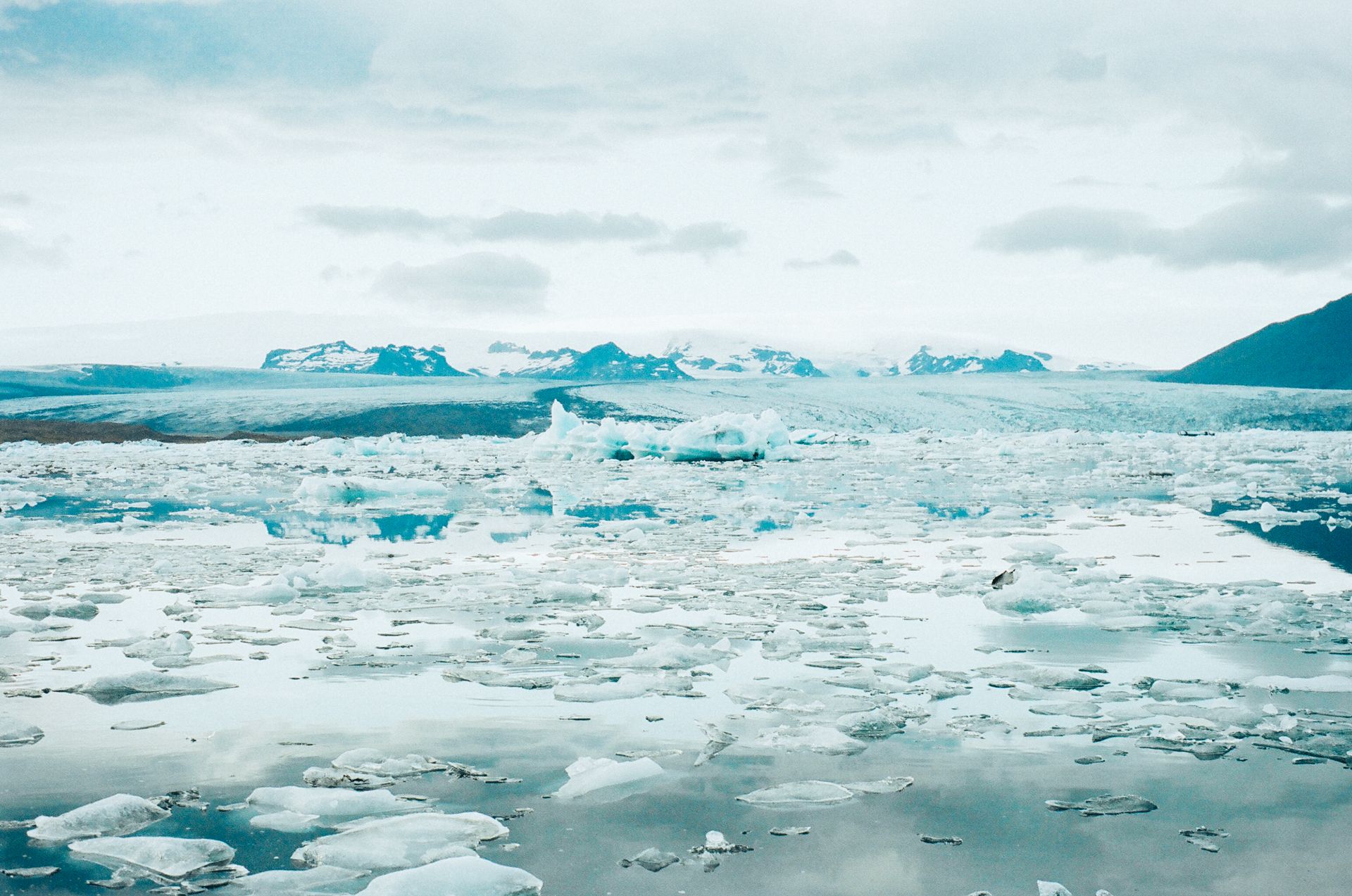
A Pasadena research team has mapped how Antarctica's fastest-flowing glacier lost its natural brakes after a massive chunk broke off in 2017, findings that could reshape predictions of how high and how fast the world's oceans will rise.
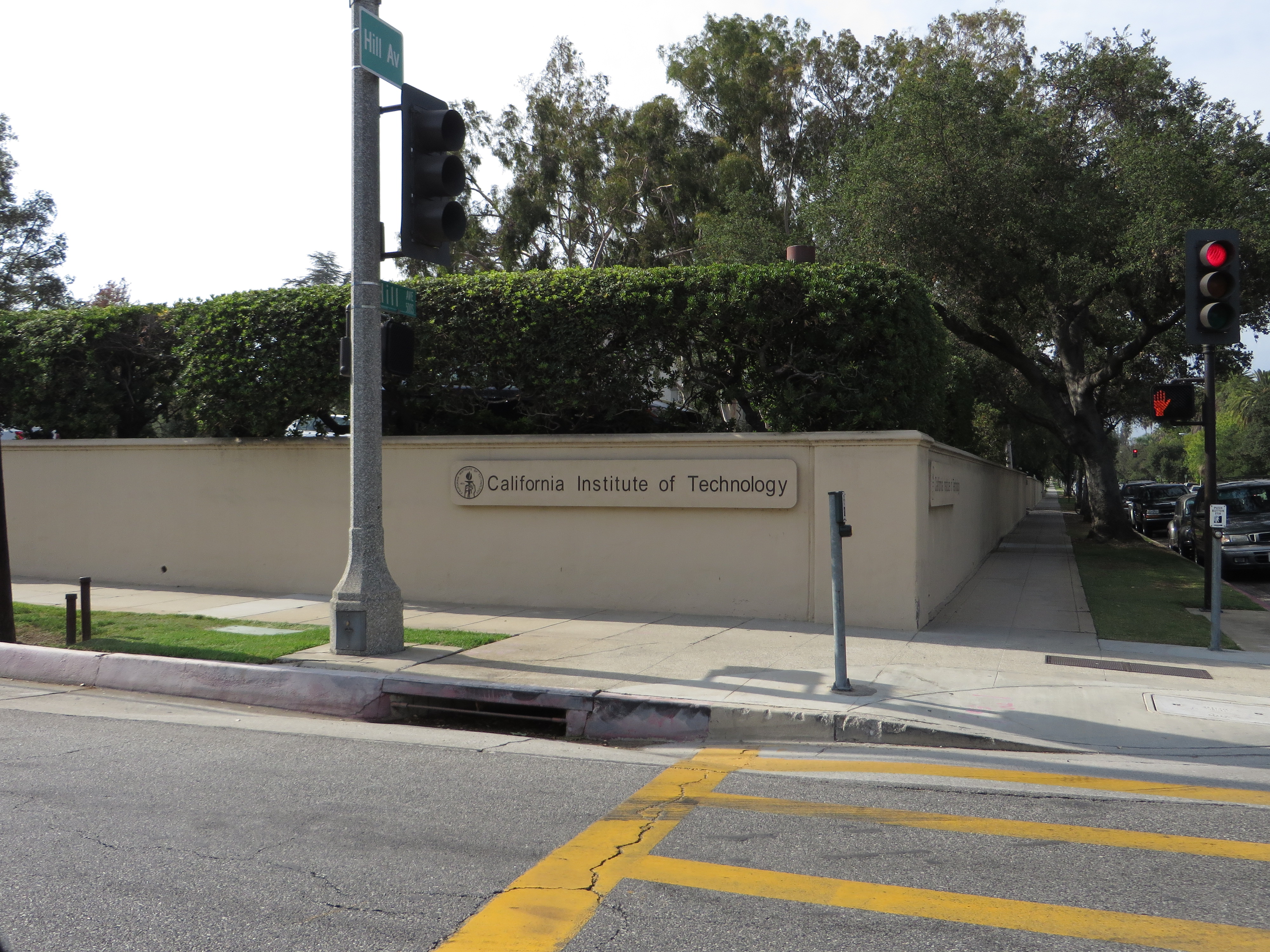
The study, published Tuesday, Aug. 11, in the Proceedings of the National Academy of Sciences, came out of the lab of Brent Minchew, professor of geophysics at Caltech. His team analyzed nine years of radar data collected by the European Space Agency's Sentinel-1 satellites to track changes at the Pine Island Glacier in West Antarctica, the continent's largest contributor to sea-level rise.
Their central finding: a 2017 calving event, when a large section of the glacier's floating ice shelf broke away as an iceberg, triggered a 20% increase in the glacier's speed. By 2020, the glacier had completely separated from its shear margins, the rocky edges that once acted like friction brakes on its slide toward the ocean.
"The potential population displacement caused by sea-level rise is on the order of the displacement seen during World War II, except sustained over entire lifetimes," Minchew said in Caltech's announcement of the research. "It is critical to understand the future scenario we're facing so that we can most efficiently use resources to prepare."
The stakes are enormous. Current estimates project seas will rise between half a meter and 2 meters by the end of this century. Every centimeter of rise could displace 1.5 million people, and roughly one-third of the world's population lives within a day's walk of a coastline. About 90% of those at risk live in low- to mid-income countries, according to Minchew.
The Pine Island Glacier currently flows into the sea at about 4.8 kilometers per year. Its overall velocity has more than doubled since 1973. Ice shelves normally act like a cork in a bottle, providing "buttressing stress" that holds back the heavier glacier behind them. When the shelf calves, that braking force weakens.
Lead author Sarah Wells-Moran, a former undergraduate and master's student in Minchew's previous lab at MIT, described the destructive feedback loop: as the ice speeds up after a calving event, it puts more force on the shear margins, generating more damage, which further weakens the margins and causes more speedup.
The research, funded by the National Science Foundation, gives scientists a real-world benchmark to test sea-level rise models. Co-author Bryan Riel, now affiliated with Zhejiang University in China, also contributed to the paper.
Minchew's group at Caltech is now studying whether the glacier's own natural healing processes could be leveraged to slow ice loss, though no timeline for that work has been announced.